



Effective recovery is crucial for surfers to avoid injuries and maintain performance. This article covers why recovery matters, effective recovery exercises, the benefits of massage and fascia training, and alternative activities that help surfers stay fit.


Why recovery after surfing matters
Recovery after surfing is crucial, as it helps your body recover from the strain of a surf session and come back stronger. Regular recovery measures such as stretching, optimising your diet and getting enough sleep can help improve your endurance and strength endurance in the long term.

Avoiding overuse injuries through recovery
It’s important to avoid overuse injuries, and the only way to do that is to give your muscles enough rest after an intense surf session. Effective recovery lets you keep surfing at a high level without risking injuries or a drop in performance. With targeted recovery measures you can optimise your physical fitness as a surfer and stay healthy in the long run.

Recovery helps repair muscle damage, reduce muscle soreness and improve flexibility.

Regular recovery measures for surfers
- doing stretching exercises,
- eating protein-rich foods,
- taking magnesium, etc.
Even these little things can improve surfers’ endurance and strength in the long term. But there are many more recovery options for surfers that we’d like to introduce to you.
Cooling down after surfing to support recovery
Another effective recovery method is cooling down after surfing, letting your activity wind down slowly and lowering your heart rate. This allows your body to gradually calm down and regulate your metabolism. A targeted cool-down can reduce muscle stiffness and soreness, which in turn shortens recovery time.
Effective recovery for surfers with specific exercises
You can use various effective exercises for recovery after surfing that promote muscle relaxation and increase flexibility.
Breathing exercises for surfers’ recovery

- Breathing exercises such as pranayama help surfers increase their oxygen supply and reduce stress, which in turn supports recovery.
- Breathing exercises can help surfers improve their breathing capacity, which is crucial for longer periods underwater and faster recovery between waves. Breathing consciously also reduces stress and strengthens mental balance, which has a positive effect on performance and recovery. Regular breathing training can also optimise oxygen uptake and increase the efficiency of the cardiovascular system, which can shorten recovery time after intense surf sessions.
More on this topic: The differences between learning kitesurfing and surfing
Stretching exercises for surfers

- Dynamic stretching after surfing: targeted stretching exercises help surfers maintain their mobility and flexibility, which in turn can reduce the risk of injury.
- In addition, yoga poses such as downward dog or cobra can support recovery by relaxing the muscles and improving circulation.
- Different yoga styles can also support recovery for surfers.
The right diet for surfers

- Cold therapies such as ice baths or ice packs can reduce inflammation and promote muscle recovery, especially after intense surf sessions.
- Drinking enough fluids is crucial for recovery and for flushing out metabolic waste produced by surfing.
- The right diet is also crucial for fast recovery for surfers.
The combination of targeted recovery exercises and sufficient rest is crucial to ensure optimal surfing performance in the long term.
Benefits of massage for recovery
Massage is another valuable recovery method after surfing. It can help in various ways to promote physical recovery and increase performance.
Deep tissue massages are particularly effective, as they release muscle tension and can speed up recovery. Targeted pressure on deeper layers of tissue can loosen hardened muscles, leading to improved circulation and oxygen supply to the muscles.
Sports massages are also very beneficial for surfers. Specific massage techniques increase circulation, which is an effective way to break down lactic acid. The improved circulation helps remove metabolic waste from the muscles and reduces muscle soreness.
How fascia training can help surfers
Strengthening the fascia not only speeds up muscle recovery but also improves overall performance. For example, strengthening the fascia around the hips can help surfers improve their stability on the surfboard and make rotational movements while surfing more efficient.
Fascia training also offers long-term benefits for the health of surfers’ muscles and joints. Regular fascia training can reduce muscle tension, which in turn increases flexibility and improves your range of motion while surfing.
The right diet for recovery
A balanced diet is crucial for surfers’ recovery. Sufficient protein and vitamins support a surfer’s overall fitness. A nutrient-rich diet supports muscle repair and building new muscle mass, which is essential for recovery after surfing.

Proteine
Protein is crucial for repairing and building muscle tissue. After surfing, surfers should eat protein-rich foods such as fish, chicken, eggs or plant-based sources like beans, tofu and quinoa.

Kohlenhydrate
Carbohydrates are also important to refill the energy stores used up while surfing. Wholegrain products, fruit and vegetables are good sources of complex carbohydrates that give the body long-lasting energy.

Pay attention to healthy fats and minerals
Omega-3 fatty acids in particular can reduce inflammation in the body and support recovery. Oily fish such as salmon, mackerel and sardines are excellent sources of omega-3.

Vitamins and antioxidants
Fruit and vegetables provide a wide range of vitamins and antioxidants that can help strengthen the body and fight inflammation.

Trinke genug!
Drinking enough is crucial to keep the body hydrated and replace electrolytes that may have been lost while surfing. Water is the best choice, but coconut water can also help replenish electrolytes.
In summary, after surfing you should eat a balanced diet rich in protein, carbohydrates, healthy fats, vitamins and minerals to promote recovery and prepare your body for the next surf session.
Alternative activities to stay fit
Besides surfing, there are plenty of alternative activities that can help you as a surfer stay fit when you’re not on the waves.

Stand-Up-Paddeln
A popular option is stand-up paddling (SUP), which is not only a great way to spend time on the water but also strengthens balance and core muscles. Paddling on the board works different muscle groups, which can have a positive effect on your surfing.
Surfskaten an Land
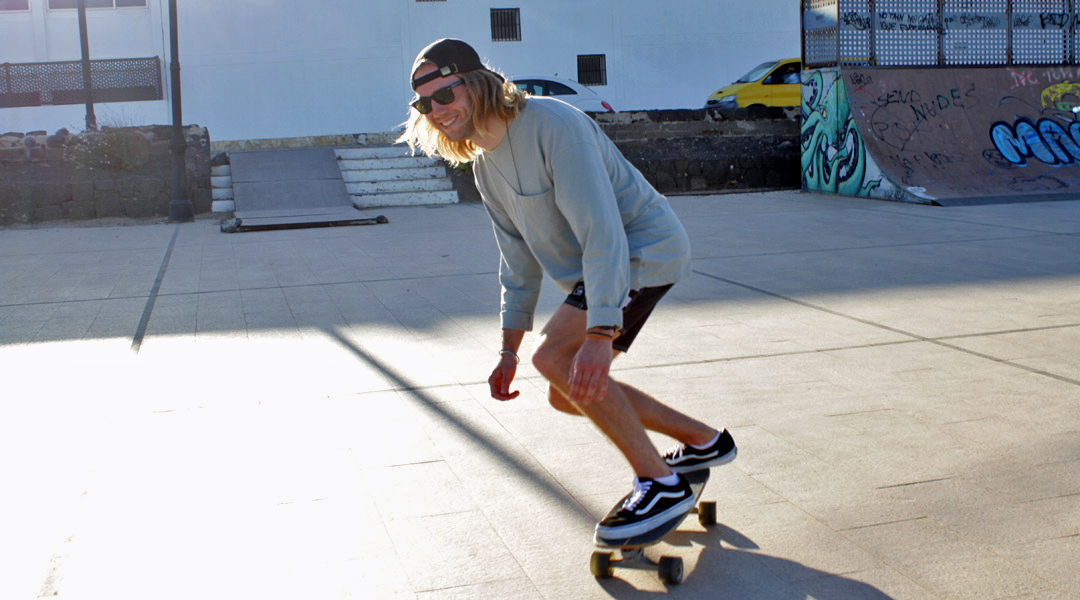
Surf skating, also known as surf skateboarding, is a popular dry-land training method for surfers. It lets you simulate surfing movements on the street. Surf skating can help your surfing by improving balance, coordination and technique, and it’s a great full-body workout to boost your fitness and endurance.

Pilates and yoga exercises
Pilates exercises are an effective way to optimise your posture and promote muscle strength and flexibility. Pilates focuses on strengthening the powerhouse – the muscles around the abdomen, hips, glutes and lower back – which is crucial for surfers to improve stability on the board and prevent injuries. By integrating Pilates into their fitness programme, surfers can increase their core strength and mobility, which can have a positive effect on their performance in the water.

Strength training to prepare for surfing
Regular strength training increases your strength endurance and explosive power. It can help improve stability and strength in your arms, shoulders and back, which is an advantage when paddling and manoeuvring on the surfboard. Exercises such as pull-ups, push-ups and squats strengthen the muscles in a targeted way and help surfers move powerfully and in control on the waves.
Breaks and rest days for surfers
Rest days are crucial for you as a surfer. After intense surf sessions, your muscles need time to recover and regenerate. During these rest phases, micro-tears in the muscle fibres can heal. Taking rest days also reduces the risk of overuse injuries, as it gives the body the chance to regenerate and get stronger. Active recovery such as yoga or stretching is particularly effective on these days.