



Fuerteventura
Everything about our favorite island
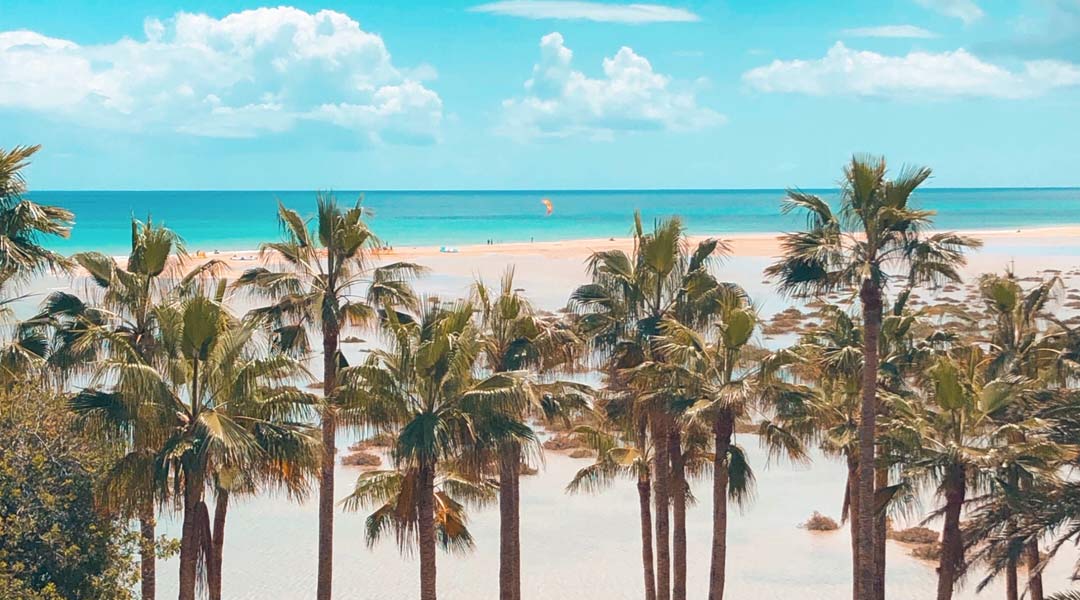
Fuerteventura – sunshine, crystal-clear water and freedom
Welcome to Fuerteventura
Fuerteventura is a paradise for nature lovers, sun worshippers and water sports enthusiasts. Endless sandy beaches, turquoise waters and a relaxed atmosphere make the island one of the best destinations for surfers and active vacationers.
Whether you come to surf, relax or explore – you’ll find your perfect adventure here. In addition to the impressive landscapes, the island offers a fascinating culture, excellent local cuisine and numerous leisure activities for every taste.

Table of contents Fuerteventura
Everything about our home in the Canary Islands

About Fuerteventura
Climate & Nature
Fuerteventura is the second largest island in the Canary Islands and is known for its mild climate all year round with constant temperatures between 20 and 28 degrees. The trade winds make it a hotspot for water sports enthusiasts.
Fuerteventura is one of the oldest Canary Islands and impresses with its unique volcanic landscape, golden beaches and crystal-clear water. The untouched natural landscapes, such as the Jandía Nature Park or the dunes of Corralejo, are particularly inviting for exploration tours.
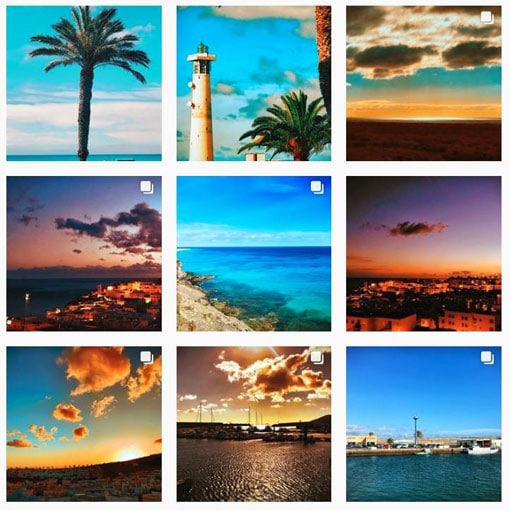
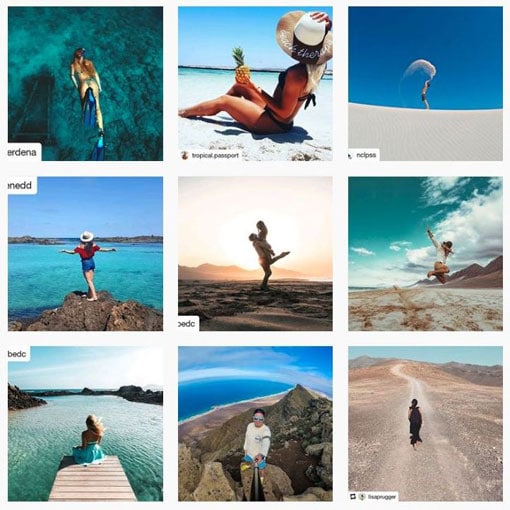
Culture & History
Fuerteventura has a fascinating history that goes back to the indigenous people, the Majoreros. Traces of their culture can be found in museums and historical sites. The Spanish conquest and subsequent trade left their mark on the island, as did its modern development into a popular tourist destination. Traditional villages such as Betancuria or Pájara preserve the island’s cultural identity with festivals, handicrafts and regional cuisine.
10 interesting facts
“Good to know”
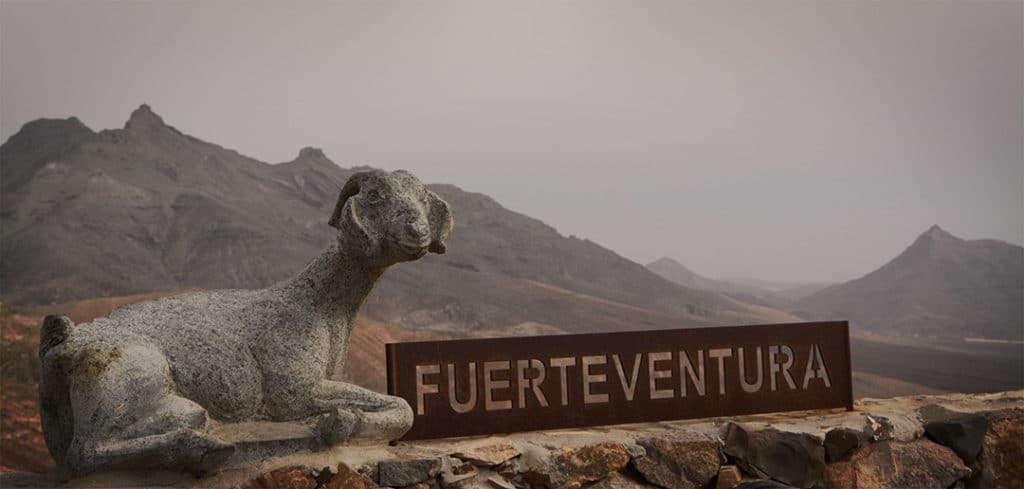
Useful or useless knowledge about Fuerteventura – it’s up to you!
(Link to our partner portal travel-fuerteventura.com)
The most beautiful places on Fuerteventura
You must have seen this …

El Cotillo
The surfing and fishing paradise
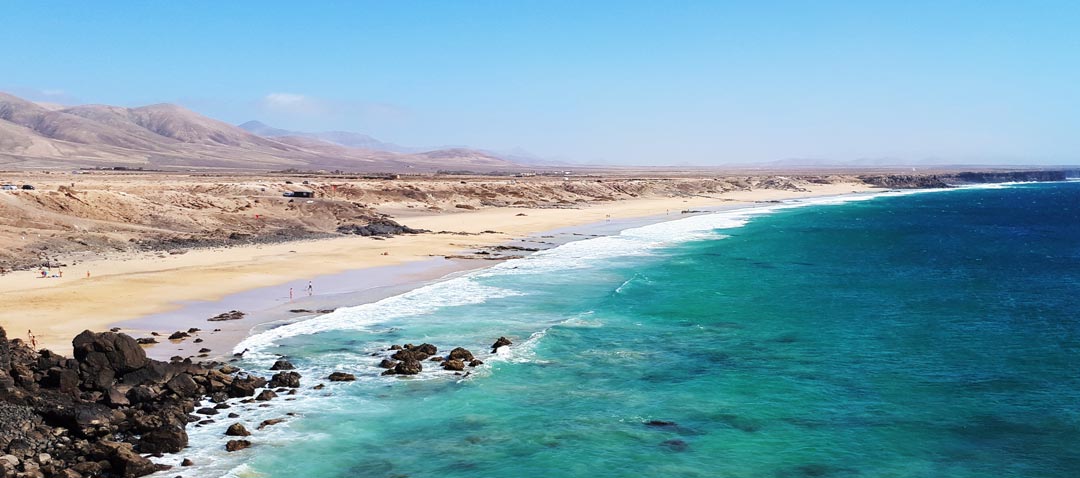
El Cotillo is a charming coastal town with an authentic flair. Here you will find some of the most beautiful beaches on the island, ideal for surfing, sunbathing or relaxing. The relaxed atmosphere, small cafés, excellent fish restaurants and breathtaking sunsets make El Cotillo the perfect place for an unforgettable vacation.
The turquoise lagoons of Los Lagos and the wild beaches such as Playa del Castillo are a highlight.
External link to the partner portal travel-fuerteventura.com
Lajares
The creative heart of the island

Lajares is the center of the surfing and creative scene. Artists, craftspeople and surfers come together here. Every Saturday there is a popular arts and crafts market where local products are on sale. The surrounding area offers numerous hiking and mountain bike trails through volcanic landscapes. The ascent to Calderón Hondo, a well-preserved volcanic crater with breathtaking views, is particularly popular.

Corralejo
The gateway to adventure


Jandía & Cofete
Wild & untouched

In the south of the island, the Jandía peninsula stretches out with endless sandy beaches and wild nature. The legendary Playa de Cofete is one of the most impressive beaches in Europe – wide, untouched and surrounded by majestic mountains. A must for anyone looking for a pure nature experience.

Activities & sights
Surfing on Fuerteventura
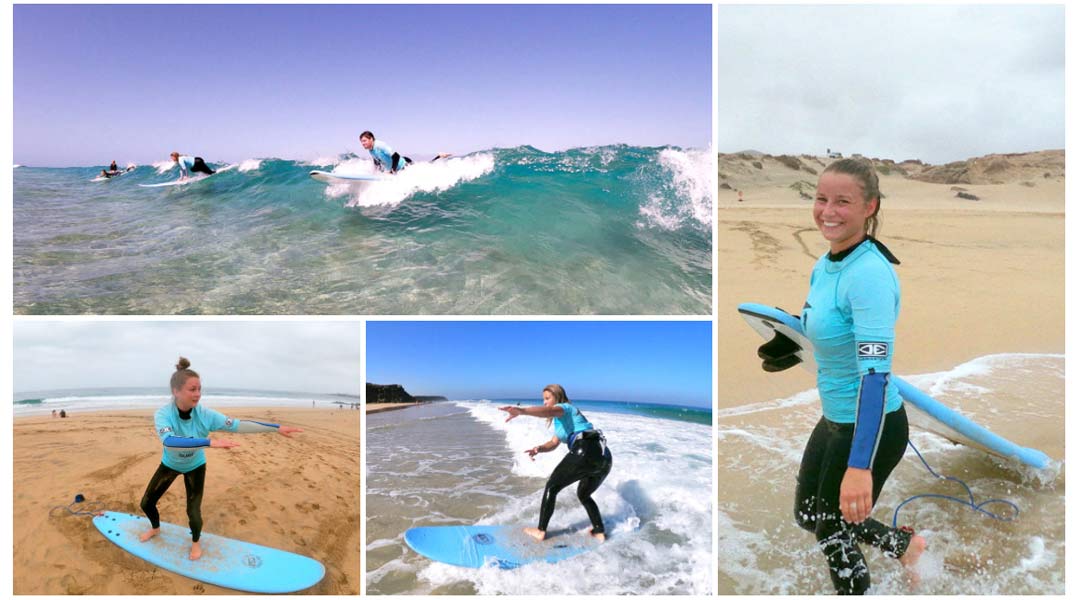
Fuerteventura is one of the best surfing destinations in Europe. The constant waves, the large selection of surf spots for beginners and advanced surfers and the warm water make the island ideal for surfers.
Surf spots on Fuerteventura
What makes Fuerteventura so good for surfing?
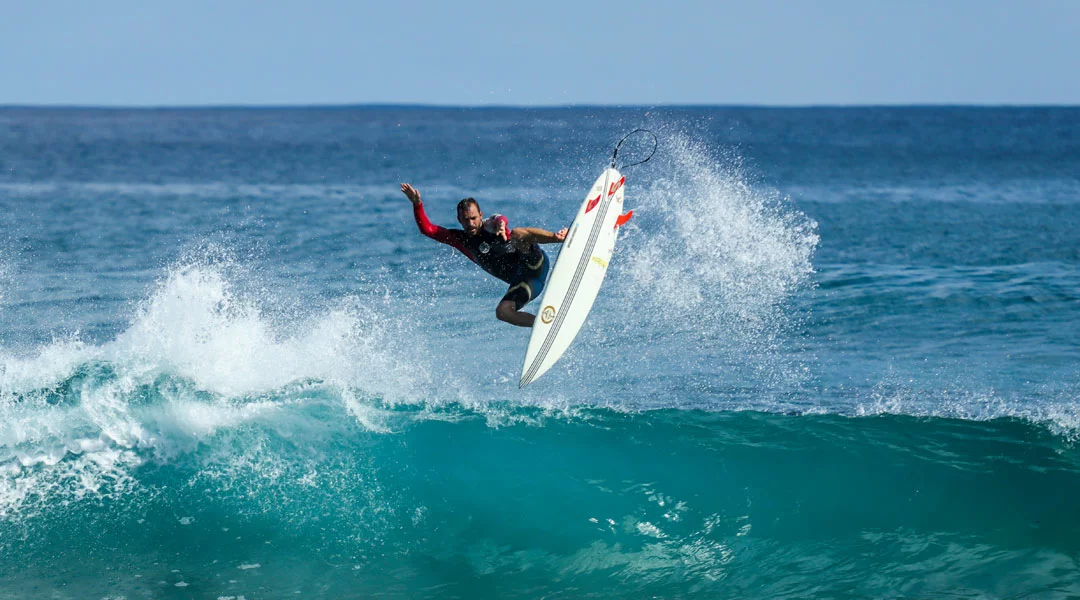
What makes Fuerteventura so good for surfing?
The best time to surf on the island of Fuerteventura is from September to the end of March. There are world-class waves on the north coast. The east coast with its sandy beaches is ideal for learning to surf on surf days. In summer, the El Burro spot works with the northern force. The south coast offers plenty of wind and is full of secrets to be discovered.
Further activities
In addition to surfing, there are numerous ways to be active on Fuerteventura:
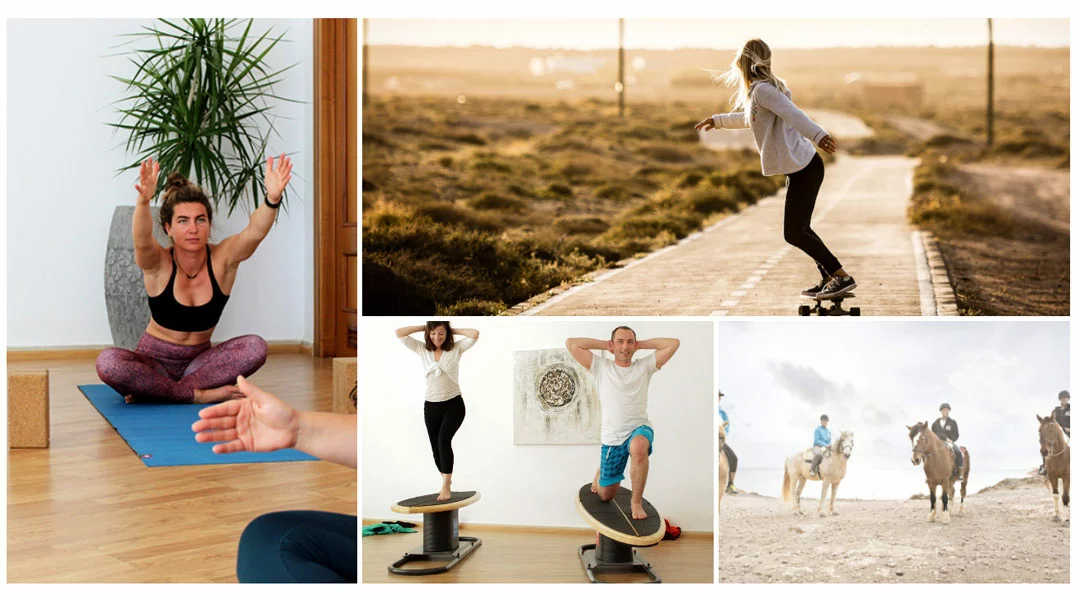
In addition to surfing, there are numerous ways to be active on Fuerteventura:
-
Kitesurfing & windsurfing: Particularly popular in Corralejo and Sotavento.
-
Diving & snorkeling: The island’s underwater world is fascinating.
-
Hiking & mountain biking: The volcanic landscapes offer spectacular routes.
-
Boat trips: Discover the island of Lobos or watch dolphins and whales.
-
Cultural experiences: Visit local markets, festivals and historical sites.
Sights & excursions
-
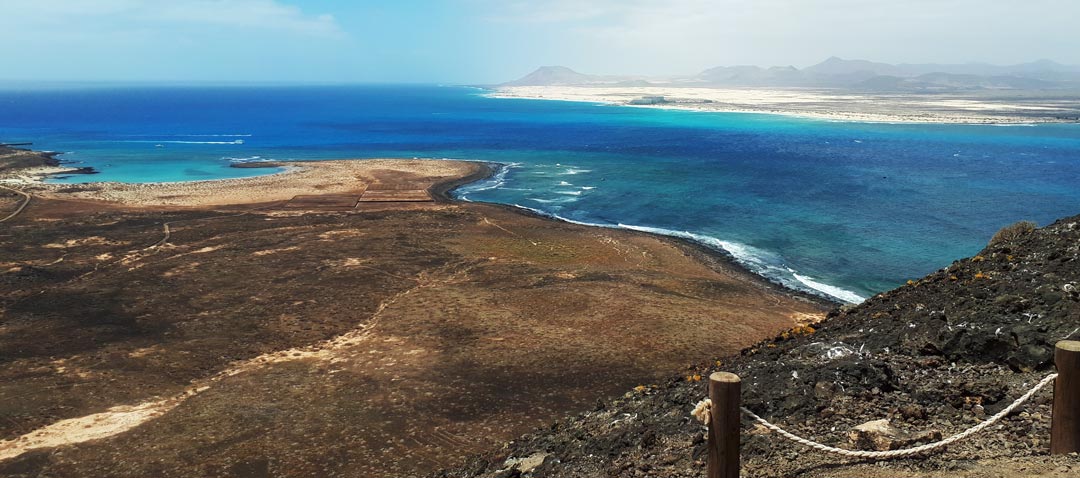
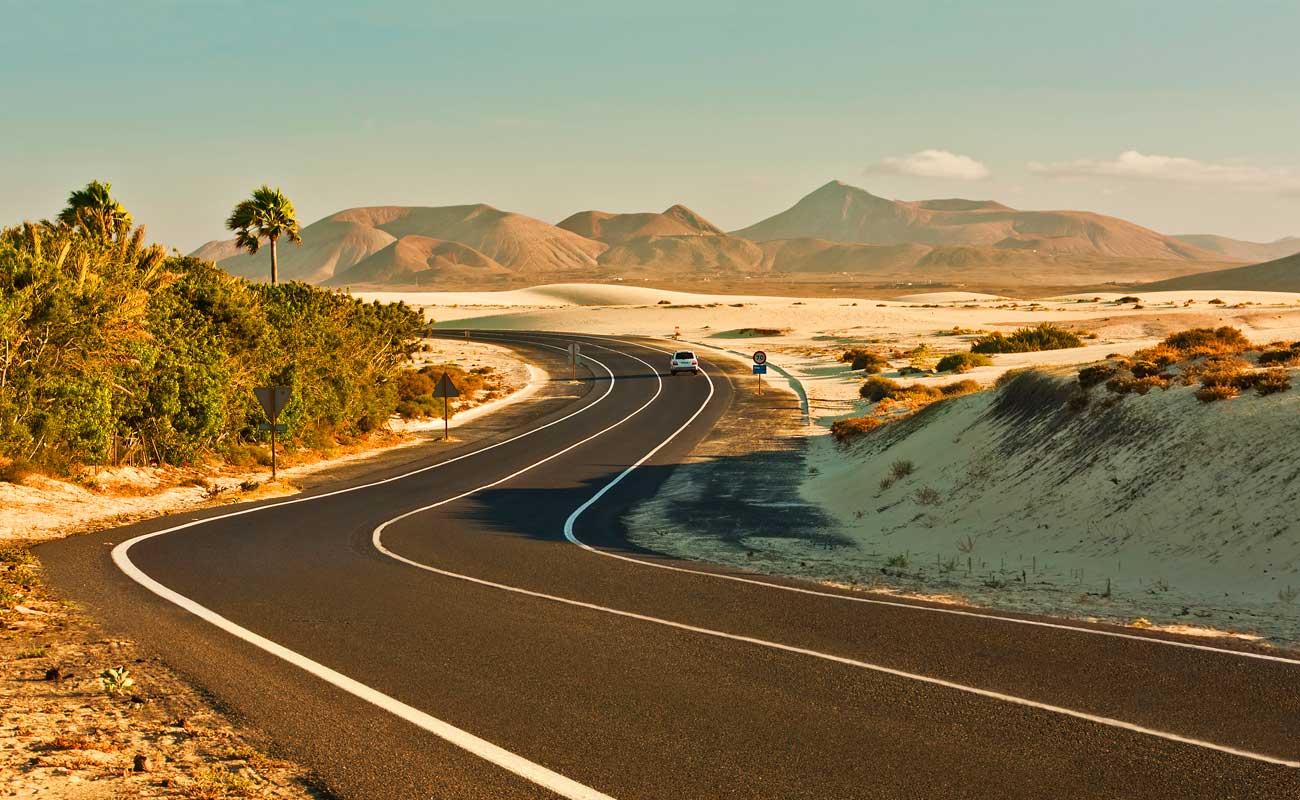
Dunes of Corralejo: Breathtaking sandy landscape with views of the neighboring island of Lobos.
-
Ajuy & the black beaches: Impressive cliffs and caves.
-
Mirador de Morro Velosa: Viewpoint with spectacular views over the island.
-
Oasis Park: A beautiful animal park with botanical gardens.


Practical information
Arrival & transportation
Fuerteventura is easily accessible by plane. The airport is located in Puerto del Rosario, from where there are rental cars, buses or private shuttles to the most important places.

Recommended means of transportation:
-
Rental car: Ideal for individual exploration tours.
-
Shuttle transfers: Convenient connection from the airport to the accommodation.
-
Public buses: Inexpensive alternative for longer distances.
Vacations on Fuerteventura can “often” not be put into words
As moving pictures often say more than words, here are a few beautiful impressions of our island in the middle of the Atlantic
Questions and answers about Fuerteventura
Fuerteventura
Wie ist das Wetter auf Fuerteventura?
Fuerteventura has a statistical probability of 5 days of rain per year. The highest probability of rain is in November, January and February. The coldest time is February. In February the Weather with 20 degrees during the day and 15 degrees at night, similar to Germany in May/June. In summer, the constant trade winds from the north-east keep temperatures at a constant 25 to 28 degrees. The warmest days are in late spring and early fall, when the wind then the temperatures rise to up to 30 degrees.
Wie warm ist das Wasser auf Fuerteventura?
The water temperature varies between 18 degrees in winter and up to 24 degrees in summer.
Was kann man auf Fuerteventura außer surfen noch alles unternehmen?
Fuerteventura is a paradise for water sports and outdoor activities. In addition to surfing, you can go kitesurfing, windsurfing, sailing, wakeboarding, skimboarding, diving, quad biking and motocross, hiking, mountain biking, jogging, fishing, playing tennis, soccer and basketball, snorkeling and much more. But why not get some inspiration from our Activity page.
Wann ist die beste Zeit zum Party machen auf Fuerteventura?
Was sollte man auf Fuerteventura gesehen haben?
impressive long sandy beaches! Also worth seeing are the Dunes of Corralejothe caves of Ajuy, the village of Betancuria, as well as various windmills and churches.
Kann man im Winter auf Fuerteventura baden?
The Mediterranean-subtropical climate ensures an average water temperature of 20° C. From February to April, the water temperature can drop to 17° C. In the summer months from August to September, the Atlantic can reach temperatures of up to 25° C. WICHITG: There are often unpredictable undercurrents in the Atlantic, so always take care when swimming and pay attention to the flags!
Braucht man bestimmte Impfungen für Fuerteventura?
No special vaccinations are required for a vacation on Fuerteventura, the usual standard vaccinations are sufficient. However, you can refresh your vaccinations against tetanus, diphtheria, hepatitis A and B before you travel. Although the Canary Islands are close to Africa, there is no risk of malaria.
With a vaccination against Covid-19 you can enter and leave the country without a test!
We often hear about an increased risk of intestinal infections, but if you pay attention to appropriate food hygiene, you can prevent intestinal diseases: for example, always wash fruit and vegetables before eating them. The You can drink tap water. However, we would advise using a filter, as otherwise it tastes of chlorine.
Wie ist die ärztliche Versorgung auf Fuerteventura? Gibt es deutsche Ärzte/innen auf Fuerteventura?
Medical care on the island is good, and the island’s public and private hospitals also meet European standards. Especially in the tourist areas, many doctors speak English and/or German. We work with a general practitioner in Corralejo. Please bear in mind that there are German-speaking doctors on Fuerteventura who charge privately. The costs may not be covered by health insurance.