 Some days the waves are perfect – and other days suddenly they’re not. Tides when surfing are a crucial factor in surfing that every surfer should be aware of.
Tides not only affect water levels, but also wave shape, speed and power. Understanding this principle makes surfing safer, more relaxed – and often better.

How are tides formed?
The tides during surfing are mainly caused by the gravitational pull of the moon. This attracts the water in the oceans slightly, causing the sea level to rise (high tide).
At the same time, low tide occurs on the opposite side of the earth as the water recedes there. The Earth’s rotation sets these high and low tide areas in motion, so that the same tide occurs in the same place approximately every 12 hours. In addition, the tides shift by around 50 minutes every day.

Surfing at high tide – what´s happening?
At high tide, there is more water over sandbanks, reefs or rocks.
Typical for surfing at high tide:
-
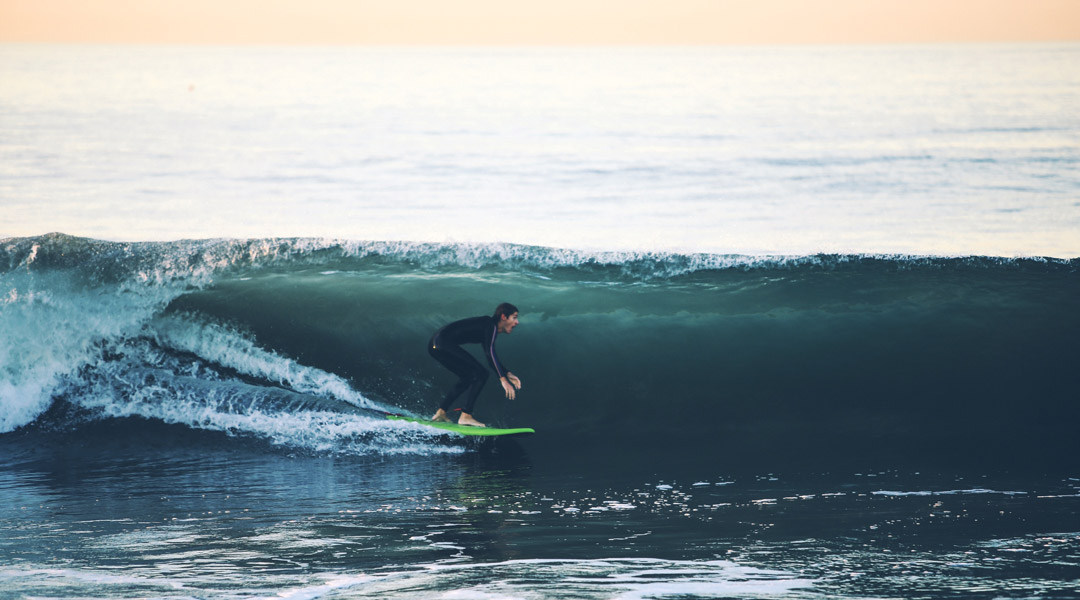
Waves are often fuller and more powerful
-
they break later and sometimes closer to the beach
-
They can be more difficult to assess for beginners.
Some spots only work really well at medium to high tide.

Surfing with low tide – what´s happening?
At low tide, there is less water above the ground.
Typical for surfing at low tide:
-
Waves break earlier and steeper
-
they are often faster and more technical
-
Reefs or rocks may be closer to the surface
Spring tides – when the tides are particularly strong
Spring tides occur at full moon and new moon (twice a month).
This means:
-
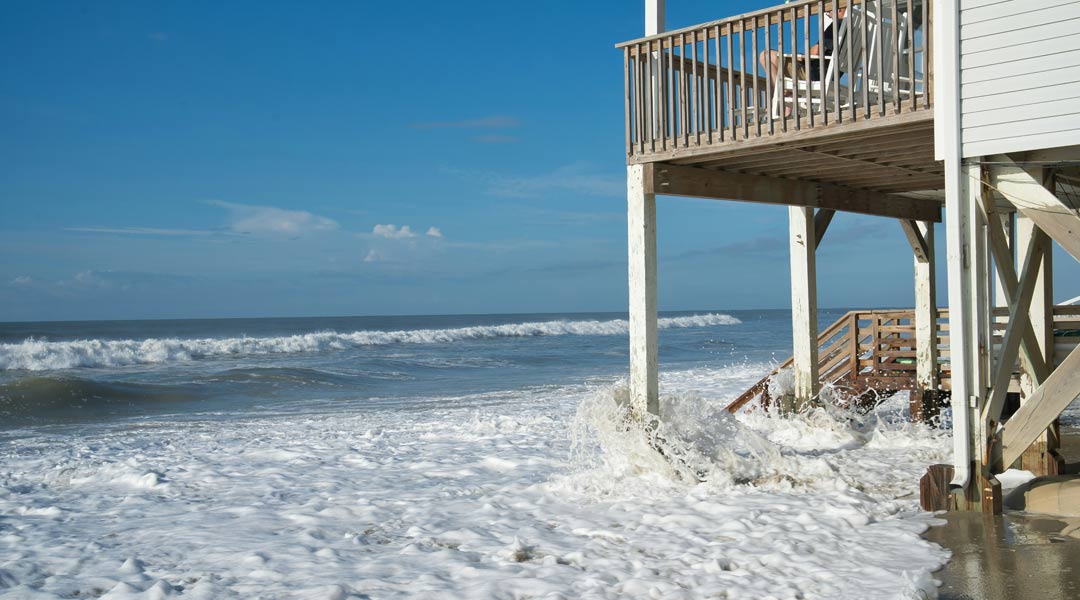
very high tidal range (significantly more water at high tide and significantly less water at low tide)
-
thus large differences between low and hightide
-
stronger currents and changed wave conditions
During these phases in particular, it is worth checking the tides very carefully when surfing.
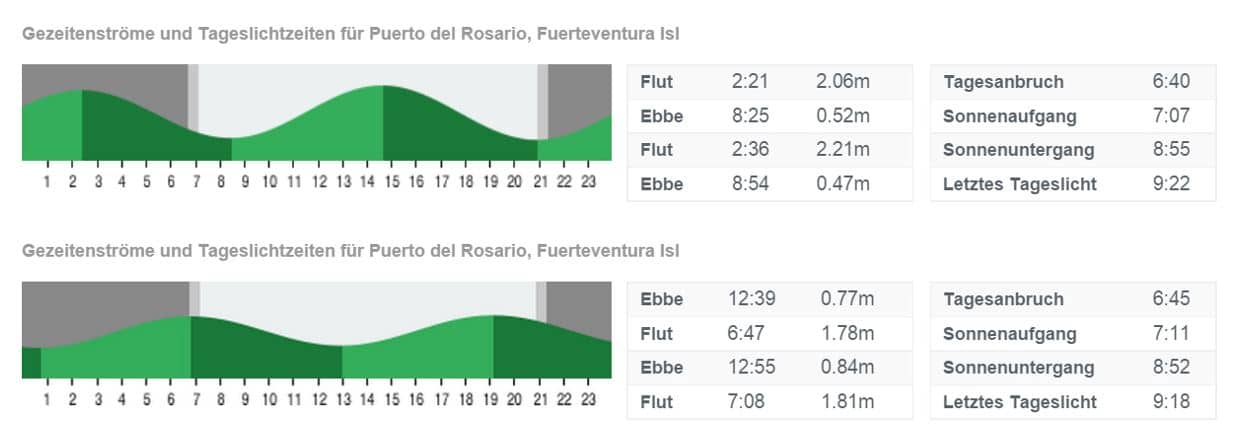 This forecast from Surfline.com clearly shows the tidal range. In the upper image, the difference between low tide and high tide is much greater than in the lower image.
Every surf spot reacts differently to the tides
A very important point:
There is no “best tide for surfing” – only the best tide for a particular spot.
Why?
-
Sandbank spots react differently than reefs
-
Flat spots run better with more water.
-
Steeper spots often better with less water
That’s why local knowledge is worth its weight in gold – especially on islands like Fuerteventura.
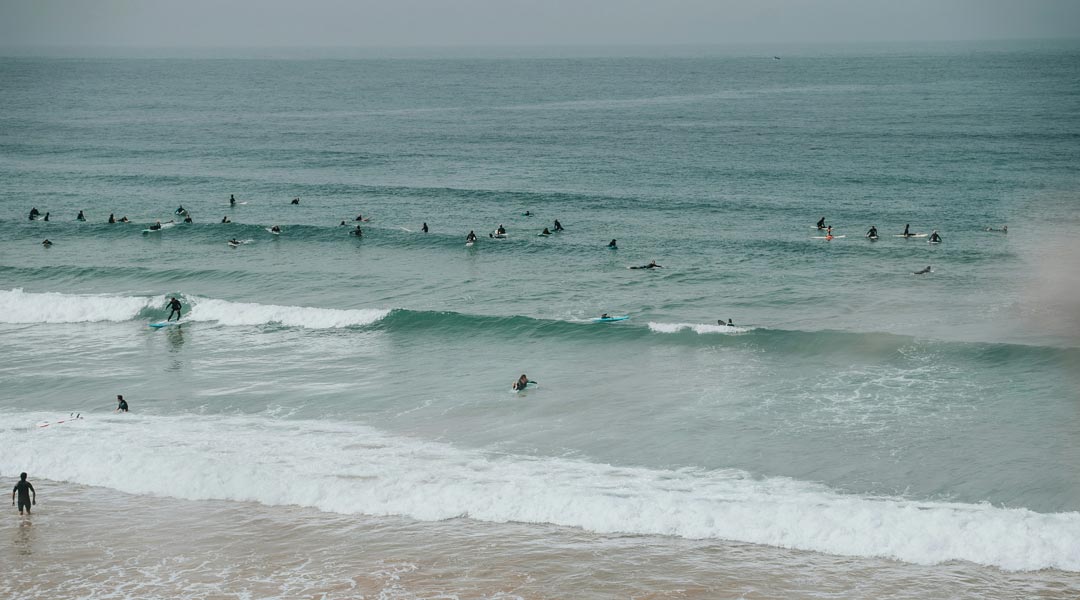
Tides are important when surfing – but they’re not everything
Even though the tides when surfing play an important role, good waves are never created by a single factor. In addition to low and hightide, swell, wind and period also influence how a surf spot performs.
Depending on the substrate, a spot needs more or less water for the waves to break cleanly. At reef breaks, it can quickly become too shallow at low tide, while other spots work well even at high tide.
Tip: Find out about the spot in advance and ask locals which tide is best for surfing – that way you’ll catch the best conditions.