




Maybe you’re asking yourself: “Should I learn kitesurfing or surfing?”
“Imagine you’re on the beach and the sun is shining down from the sky. You can feel the salt on your skin and the tingling of anticipation in your stomach. You’ve decided to finally learn a new water sport and decide between kitesurfing and surfing. But wait a minute – before you plunge into the waves, let’s take a quick look at the differences between these two fascinating water sports that are captivating more and more people. Both offer an unparalleled sense of freedom and adventure on the water, but their approaches, equipment and techniques differ significantly.
Differences between learning kitesurfing and surfing: the equipment
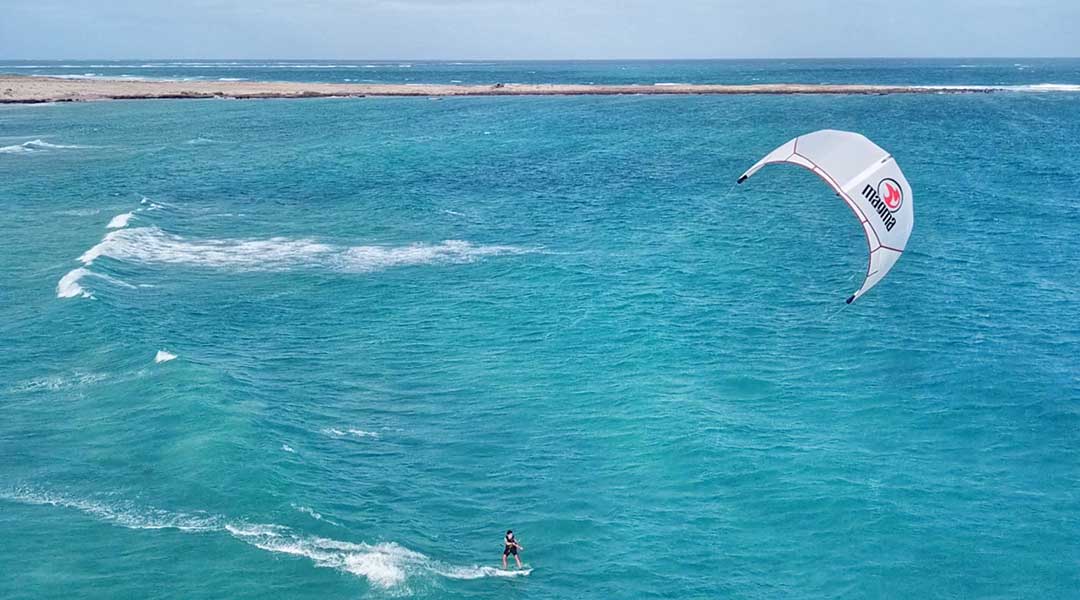
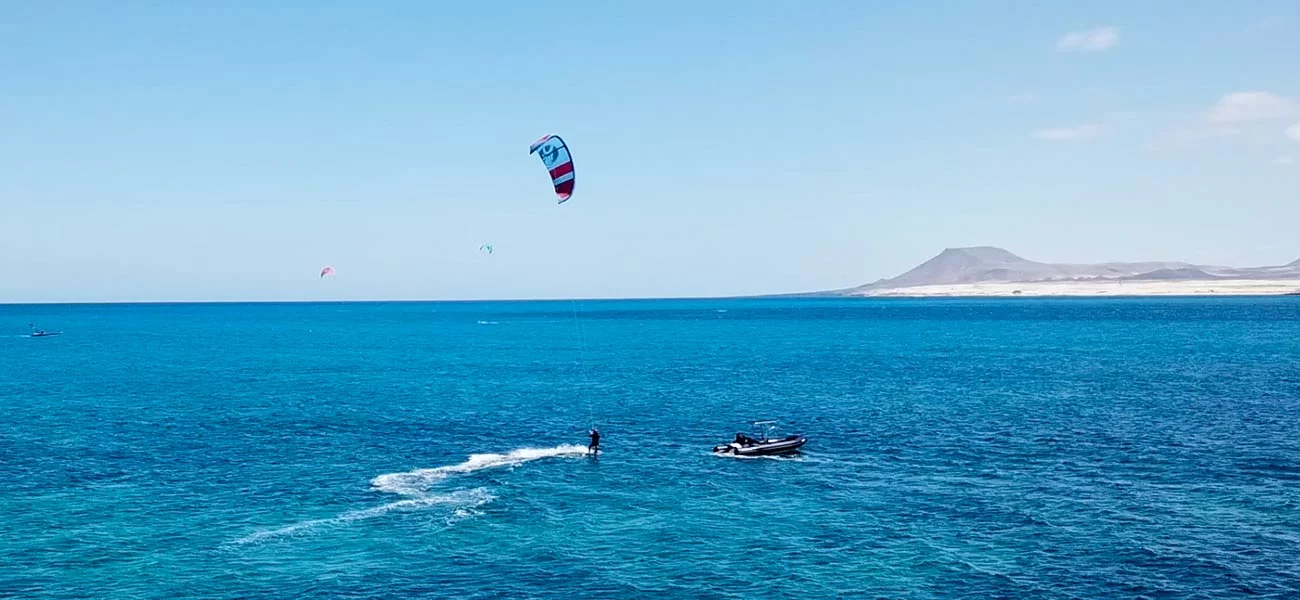
In kitesurfing, the main component is the kite. It is steered using a “bar” and lines. In kitesurfing, the rider uses the wind to build up speed and, at some point, to perform jumps. Kites come in different sizes and shapes to suit the wind conditions and the rider’s preferences. There are different disciplines in kitesurfing, such as freestyle, freeride, wave and race, and the shape of the kite and board varies depending on the discipline.
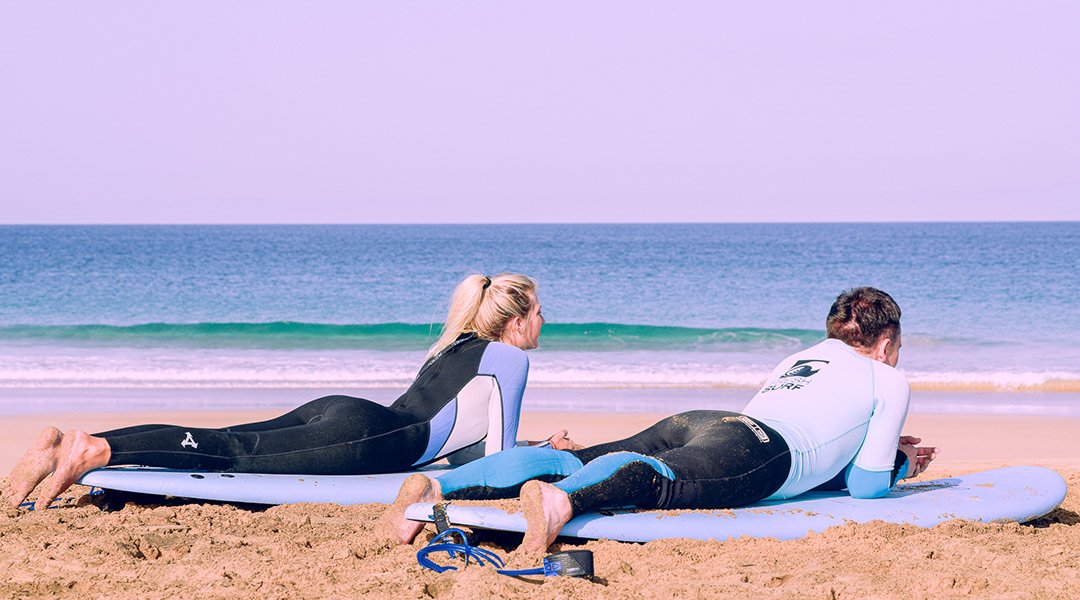
Surfing, on the other hand, ‘only’ requires a surfboard, which means you need less equipment. The boards for surfing are designed to better control the movement in the waves. A good surfer must choose the right surfboard for their individual needs and the wave conditions. Here, the wind is not the primary driver, but the energy of the breaking waves.
Steering when learning kitesurfing and surfing
As mentioned above, kitesurfing is controlled by the kite, which floats in the air. With the kite, the surfer can move across the water, gain height or perform breathtaking jumps. Kite control requires skill and precision, as the kite’s forces can vary depending on the wind strength and direction.
In surfing, the focus is on body movement and timing. The surfer paddles out on their board into the waves and waits for the right wave to paddle into and ride. As soon as a well-shaped wave appears on the horizon, the surfer has to get the board into the right position, paddle into the wave, pop up and then glide down the wave with skilful movements and weight shifts. The surfer has to use the wave’s energy and move along with it to get the most out of every ride. The art of surfing lies in finding the right balance and coordination to master the waves effectively.
What is the learning curve when learning to kitesurf?
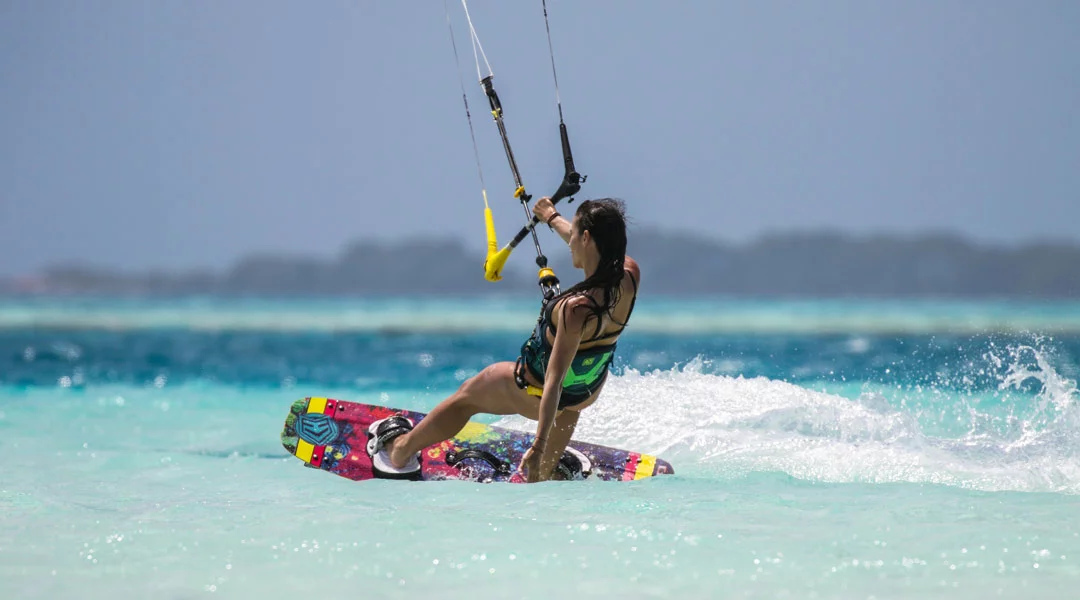
Learning to kitesurf can be challenging for some beginners at first, as the coordination between the kite and the board requires a certain amount of skill. Mastering kite control and understanding wind conditions can take time before you can properly glide on the water. However, nowadays there are efficient training methods and safety systems that make it easier to get started. When kitesurfing, you will first spend a long time on dry land to gain control of your kite.

What is the learning curve for learning to surf?
With surfing, on the other hand, timing and experience are crucial. It can take a while before you develop the right feel for the waves and master the timing for the take-off (starting on a wave). The first steps involve paddling and getting up on the board before you even attempt to ride a wave. It takes practice and patience, but the joy of catching and riding your first wave is indescribable.
Besides the differences already mentioned, there are a few other aspects that set kitesurfing and learning to surf apart:
Differences between learning kitesurfing and surfing – safety aspects
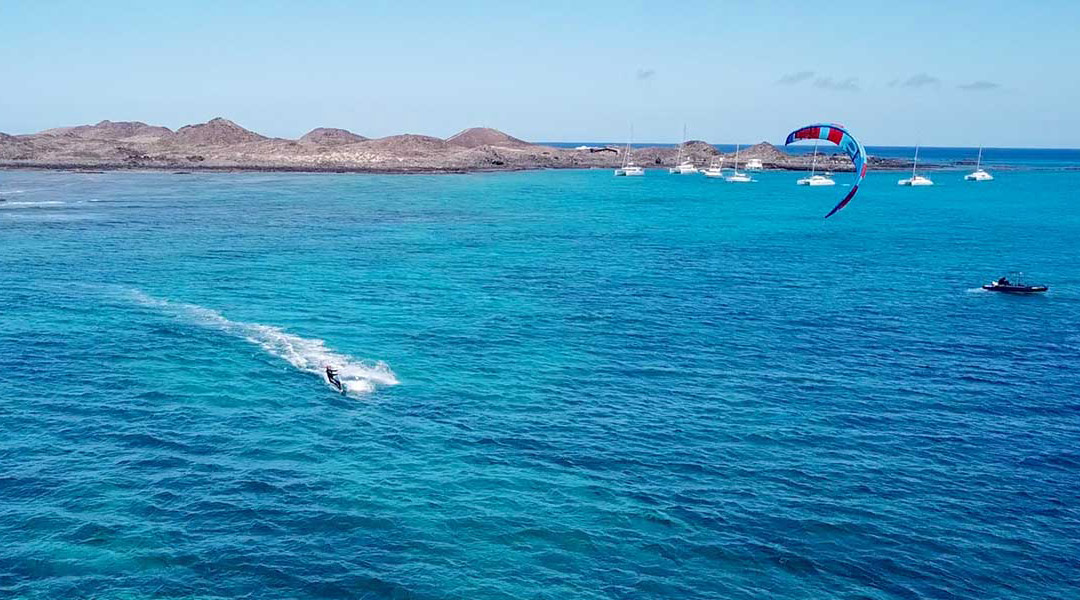
Safety plays a particularly important role in kitesurfing. The kite is connected to a safety line that allows the kite to collapse quickly if necessary and reduce the pulling force very quickly. This is particularly important to avoid accidents and to protect yourself and other beachgoers. There are special safety systems and emergency releases that allow the kitesurfer to immediately depower the kite in critical situations.

Surfing also requires a high level of safety awareness, especially when handling the surfboard in a line-up with many surfers. Caution is also required when paddling out in the impact zone, i.e. where the waves break. As the energy of the waves can be unpredictable, it is important to have the right assessment of your own abilities and the local conditions. An experienced surfer knows how to navigate the
Dependence on wind when learning kitesurfing and surfing
Kitesurfing is heavily dependent on the wind. To be able to move across the water with your kite, you need sufficient wind strength. Ideally, wind conditions should be between 15 and 30 knots (around 28 to 55 km/h). Kitesurfing is therefore not possible on calm days. This requires a certain amount of flexibility in terms of the choice of location and the availability of suitable wind conditions. Wind is therefore the top priority when
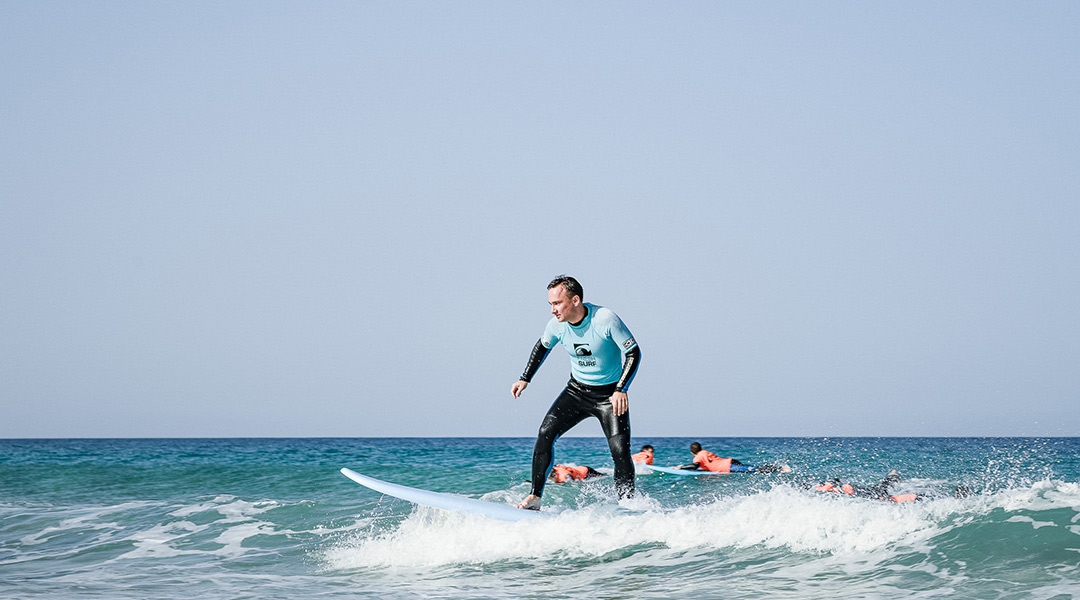 Surfing, on the other hand, is less dependent on the wind, as you use the energy of the waves to propel yourself forward. As long as there are breaking waves, you can ride waves regardless of the wind strength. This makes surfing an attractive option for places with variable wind conditions or at times when the wind is weak. It is important to note, however, that to ride waves we need “wind out on the ocean” that blows on the surface of the water over a longer period of time, ultimately creating waves.
Physical demands – the differences between learning kitesurfing and surfing

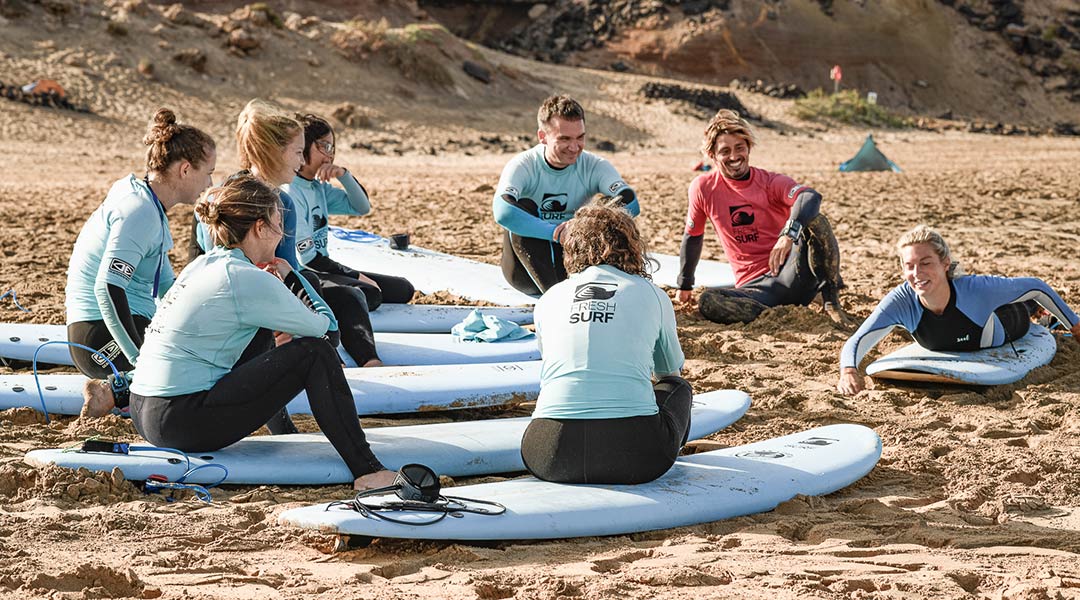
Both sports require a certain level of physical fitness, but the muscle groups involved are different. In kitesurfing, the body is particularly stressed in the area of the arms and upper body, as you have to control the kite and balance the pulling force. Good core stability is also important to keep your balance on the kiteboard.

Surfing requires strong leg muscles, as you are constantly moving on the board and have to keep your balance in the waves. Paddling out into the line-up, where the waves break, also requires stamina and strength in the arms and shoulders. Surfing also challenges your core and abdominal muscles.

Environmental awareness in kitesurfing
As kitesurfing is a more technology-intensive sport, there are also environmental aspects to consider. The manufacture and disposal of kitesurfing equipment can leave an ecological footprint. It is important to pay attention to environmentally friendly materials and sustainable manufacturing and to treat the equipment carefully in order to extend its lifespan and avoid unnecessary waste.
Kitesurfing has several environmental impacts that need to be considered in order to minimize the negative effects on the environment. Some of the biggest environmental impacts of kitesurfing are:
Energy consumption
Kitesurfing is an active water sport that requires a certain amount of energy, especially for getting to the spot and inflating the kites. Using fossil-fuelled vehicles or frequently inflating kites with electric pumps can lead to higher energy consumption and thus also increase carbon emissions.
Wear and tear of equipment
Kites, boards and other equipment can be made of materials that contain harmful chemicals or release small particles into the environment through wear and tear. Careless handling of equipment can lead to faster wear and tear and thus increase the amount of waste.
Waste and lost equipment
Lost or broken kites and boards can end up in the sea and contribute to marine litter that endangers marine ecosystems and animal species.

Nature reserves and sensitive ecosystems
Kitesurfing often attracts surfers to beaches that are located in nature reserves or are home to sensitive ecosystems. Disturbing these areas can affect the local flora and fauna.
Endangering marine life: Careless kitesurfers can inadvertently endanger or disturb marine life, such as birds, marine mammals or fish.
To minimize the environmental impact of kitesurfing, surfers should take a few measures:
- Use of environmentally friendly equipment made from sustainable materials.
- Responsible use of equipment to extend its service life and reduce waste.
- Avoiding nature reserves and sensitive ecosystems as surf spots.
- Participation in beach clean-ups to reduce marine litter.
- Consideration for local wildlife and avoidance of disturbance.
By making environmentally conscious choices and adopting sustainable practices, surfers can help minimize the impact of kitesurfing on the environment.

What about the environmental impact of surfing?
Surfing tends to have fewer environmental challenges as the equipment is simpler and made from natural materials. Surfers are often connected to nature and have a strong environmental awareness. Respect for nature and protecting the oceans are important values that many surfers share.
There are some environmental impacts of surfing that should be considered in order to minimize the environmental impact of this popular water sport. Some of the biggest environmental impacts of surfing are:
Chemicals
Some surfboard manufacturers use toxic chemicals in their products. These chemicals can get into the sea and harm the marine ecosystem.
Energy consumption
The production of surfboards and other equipment requires energy and resources. The use of fossil fuels for transportation to surf spots also contributes to environmental pollution.
Water consumption
Many popular surfing destinations are dependent on freshwater resources for tourism and infrastructure. High numbers of surfing tourists can increase water consumption in these areas and exacerbate water scarcity.

Ecosystems
Popular surfing beaches are often sensitive ecosystems with unique flora and fauna. The disturbance of habitats and the destruction of sensitive plants can have a negative impact on local biodiversity.
Contamination from waxes and resins
Waxes and resins used on surfboards may contain chemicals that are released into the water and can affect water quality.
It is important that surfers and the surf community as a whole consciously promote environmentally friendly practices to reduce these impacts. This includes, for example, using eco-friendly surfboards made from sustainable materials, avoiding single-use plastic, supporting local environmental initiatives and choosing surf spots that are less prone to environmental disturbance.
Our conclusion on the differences between learning kitesurfing and surfing
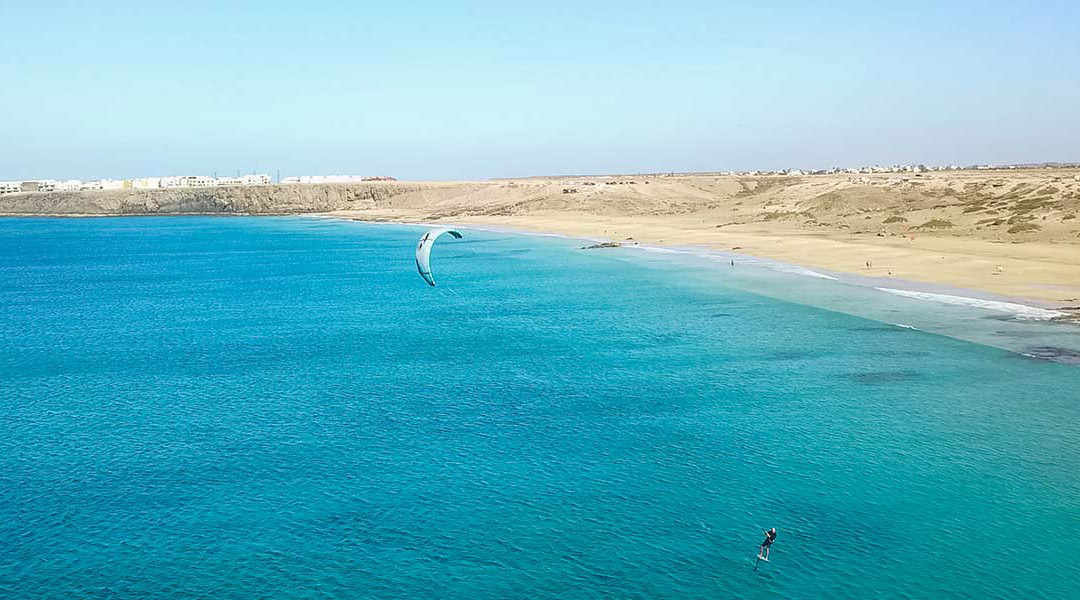
To summarize, both kitesurfing and surfing are exciting in their own way and require different skills. Kitesurfing offers you the thrill of flying over the water and a variety of opportunities for tricks and jumps. It’s a great sport if you want to harness the power of the wind to move across the water. Surfing, on the other hand, allows you to experience the beauty and power of nature in the form of waves and feel the magic of the ocean. The connection to nature and the element of water is more intense, as you are carried directly by the waves and feel the pure energy of the oceans. No matter which sport you choose, both kitesurfing and surfing offer unique experiences and unforgettable moments on the water.

While kitesurfing offers the thrill of flying over the water and depends on the wind, surfing allows a close connection with nature and immersion in the power of the waves. Both sports require different skills and offer many ways to discover your own passion and love for the sea.
Want to learn to surf? On a surf course on Fuerteventura you learn this directly in the water – with experienced surf instructors in El Cotillo.
Learn to kite surf with the Magma KitSchool

Learning to surf with the FreshSurf surf school
