




Understand the sea.
Surf better.
In our surf knowledge section you’ll find the basics on waves, wind and tides, plus exercises for your next session.
Practical surf knowledge · 160 surf terms
Discover the topics.
Knowledge leads to better decisions in the water.
Here you’ll find all the articles on waves, wind, tides and safety.


Wind & tides
How wind and tides affect the conditions at the spot.
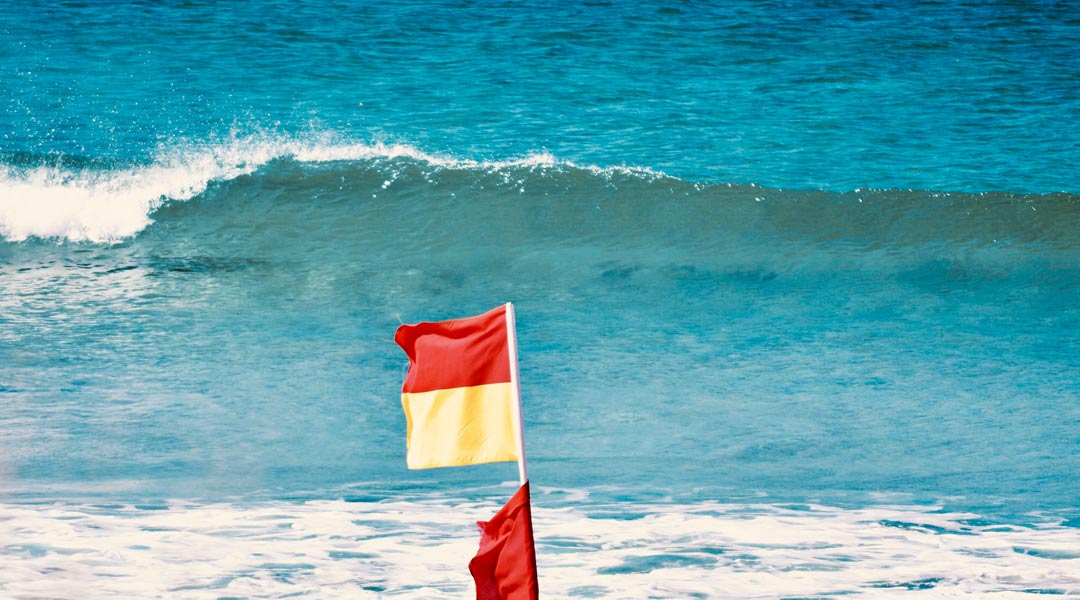
Currents & safety
Recognise risks, react correctly and behave respectfully in the line-up.

Reading waves & conditions
Watch the waves and assess the conditions better.
What would you like to improve in the water?
Choose the surf knowledge guide for the situation you want to practise next time.

Catch more waves
Find suitable waves and the right starting point. Check what happens when a wave passes under you.

Improve your paddling
Check your lying position and train strength and endurance for longer sessions.

Stand up more safely
Recognise the most common take-off mistakes and practise standing up on land and in the water.

Find the right board
Work out which board helps you learn and when it’s worth switching to a hardboard.
Just starting out? To the beginner's guide
Your plan for the next surf session
Before you go in: assess the spot and conditions
From a fixed point on the beach, watch where the waves break one after another and how quickly people in the water drift sideways. That gives you a better feel for whether the peak stays in the same place and where you can get out again. Check the forecast and follow the advice on site. In El Cotillo the picture can change noticeably between two sets. If the conditions seem confusing, ask the beach supervision or a coach who knows the area.
The The AEMET beach forecast for Marfolín gives you a guide to the wind and sea state near El Cotillo.
In the water: choose one focus
If the waves pass under your board, start with your distance from the peak. If the start works but you quickly run out of strength, first check your lying position and how calm your paddle strokes are. If you only fall when standing up, pick one part of the take-off for your next session. Choose an exercise you can repeat in small, manageable waves.
If you want to work on your technique as well as your wave choice, focus on keeping your upper body calm on your next attempt. Our surf knowledge on paddling into waves shows you how even small changes to your lying position on the board make a difference. Compare two attempts in conditions that are as similar as possible before you change the next thing.
After surfing: note down one observation
Write down which change helped most. Was the way to the peak shorter? Did the board start gliding earlier? Were you able to look at the open wave face when standing up? Choose your next exercise from that. That way you’ll recognise progress even when the number of waves and the conditions vary from day to day.
This is where your learning path begins.
In five steps you’ll learn the most important basics – for more understanding and more conscious decisions by the sea.
- Understand the basicsHow waves form and which factors affect them.
- Assess the conditionsInterpret wind, tides and forecasts correctly.
- Read the wavesWatch the waves and recognise which way they break.
- Understand safetyUnderstand currents, dangers and the rules in the line-up.
- Keep at itLook up terms and expand your knowledge step by step.
160 terms. Simply explained.
From beach break to swell: your surf ABC explains the most important surfing terms – clearly, understandably and to the point.
Beach break
Waves breaking over a sandy bottom.
Offshore
Wind blowing from the land towards the sea.
Swell
Swell that spreads over long distances across the ocean.