+++ Revised July 28, 2026 +++
Do your arms feel heavy, your shoulders tense, and your back aching after a long session? You’re not alone. Especially after the first few days of surfing or a long break, many surfers feel it in their whole body. With a quick stretching routine, you can relieve tension, stay flexible, and start your next session feeling more relaxed.
Table of Contents – Stretching After Surfing
- Which muscles are particularly engaged while surfing?
- Why Stretching After Surfing Is a Good Idea
- Dynamic or Static Stretching—Which Is Best for Which Situation?
- 6 Simple Stretching Exercises After Surfing
- Common Mistakes When Stretching
- Summary
Which muscles are particularly engaged while surfing?
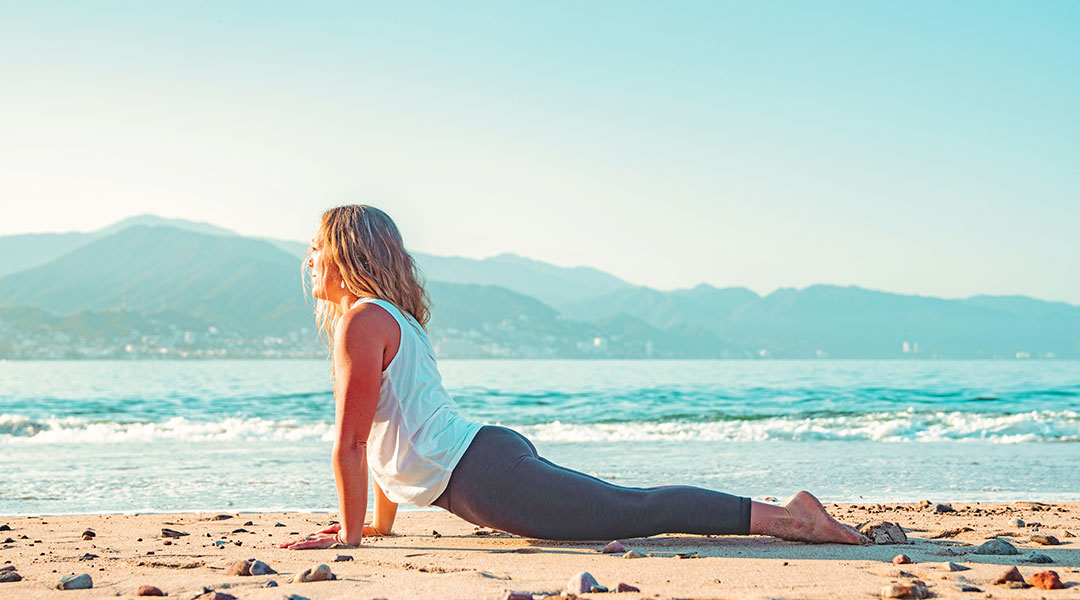
Surfing engages almost the entire body. While the focus outdoors is often solely on the waves, numerous muscle groups work together simultaneously.

Shoulders & Arms
Especially when paddling, the shoulders, upper arms, and forearms do a lot of the heavy lifting. After longer sessions, tension often builds up in these areas, or your arms may feel heavy.

Back
When paddling, you’re constantly lying on the board with your upper body slightly arched backward. At the same time, your back muscles stabilize every movement. Your upper back and neck, in particular, often feel stiff afterward.

Hull
A strong core helps you maintain your balance on the surfboard. Your abdominal and back muscles work together during almost every movement.

Legs
Whether it’s the takeoff, the bottom turn, or just standing on the board—your thighs, glutes, and calves are constantly working and often get more tired than you might initially think.
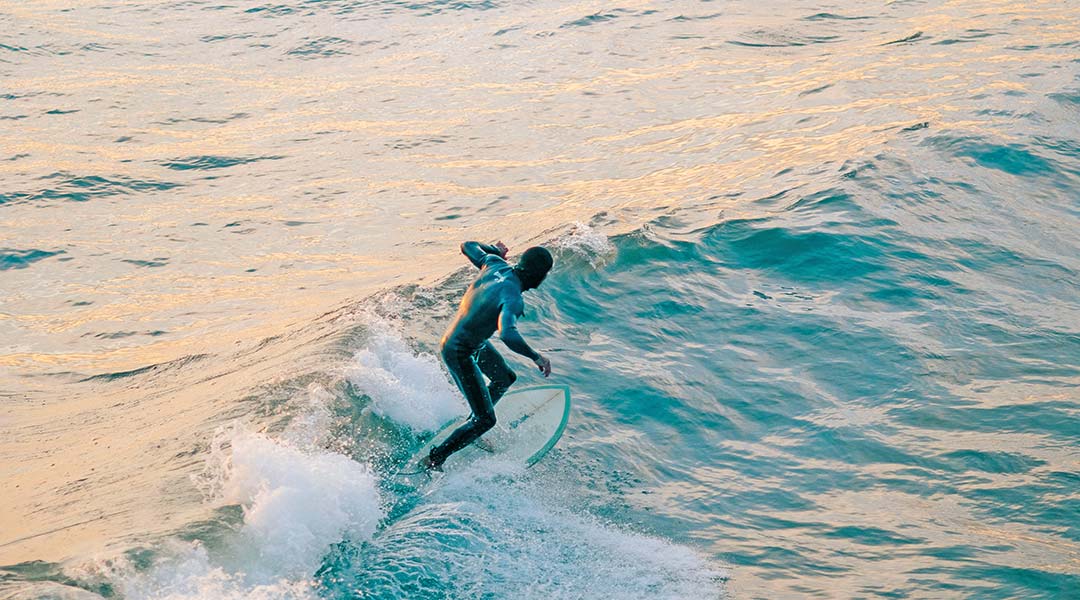
Maybe you’ve experienced this: Right after your session, everything still feels great. It’s not until a few hours later that your shoulders, back, or hips start to feel noticeably stiffer. That’s exactly why it’s worth doing a quick stretching session right after surfing.

Why Stretching After Surfing Is a Good Idea
When surfing, your muscles work intensely for an extended period of time. After exercising, light static stretching helps you consciously relax your muscles and maintain your range of motion.
Many surfers also find that stretching after a session is a pleasant transition from being in the water to relaxation. A few quiet minutes on the beach or after a shower are often enough.

Regular stretching can be particularly beneficial for:
To reduce tension in the shoulders, neck, and back
to maintain flexibility over the long term
to feel more supple after intense days of surfing
to wind down more mindfully and end the session on a relaxed note
Important: Stretching should never be painful. Only stretch as far as feels comfortable, and keep breathing calmly.

Dynamic or static stretching—what’s the difference?
The goals of stretching vary depending on the timing.
| Dynamic Stretching | Static Stretching |
|---|---|
| Movements such as circling, swinging, or lunges | A position is held steadily |
| Perfect before surfing | Perfect for after surfing |
| Enhances Muscle Tone and Flexibility | Promotes relaxation and recovery |
Before the session, dynamic exercises can help prepare the body for movement.
After surfing, however, we recommend gentle, static stretching exercises in which you hold each position for about 15 to 30 seconds .
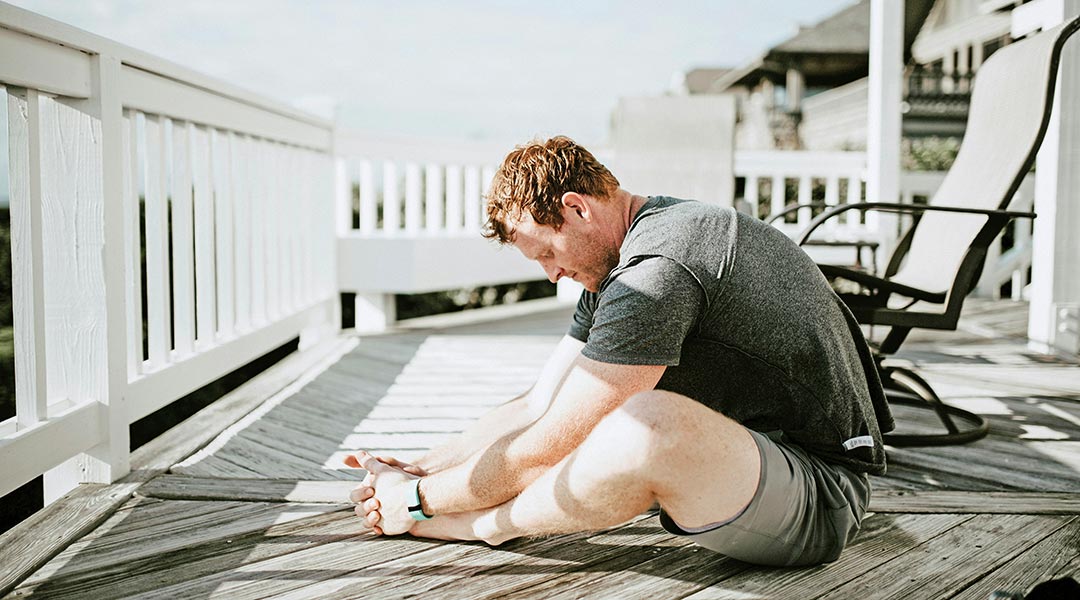
Stretching After Surfing—Here’s What You Can Do
Here are some targeted stretching exercises that will help you recover better after surfing!
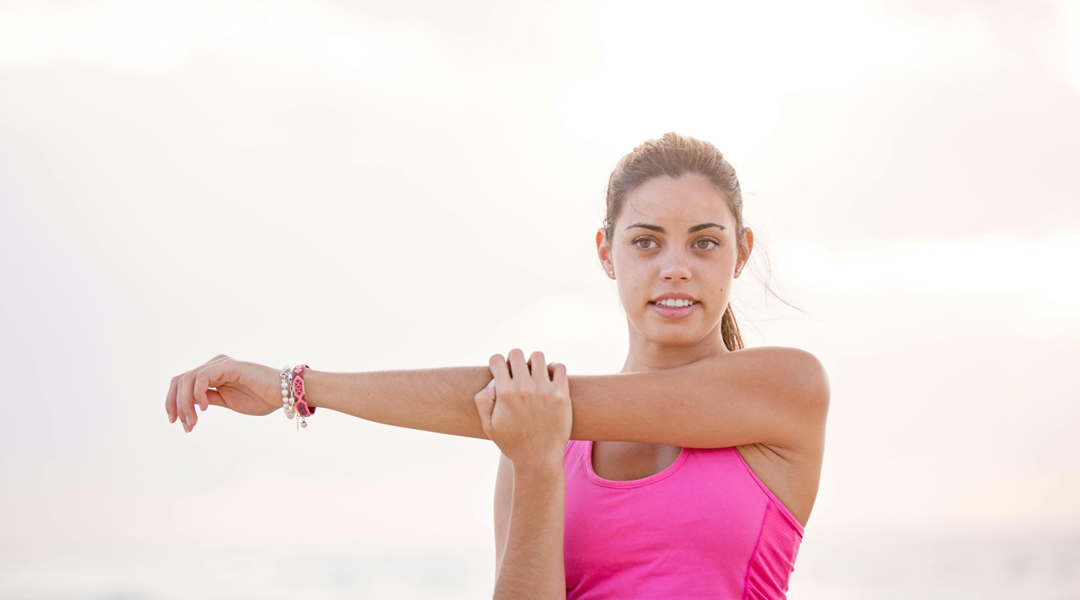
Shoulder Stretch
Extend one arm in front of you and bring it across your chest. With your other hand, gently pull that arm closer to your chest. Hold this position for 15–30 seconds, then switch sides.
Cat-Cow Stretch
Get on all fours, with your hands under your shoulders and your knees under your hips. As you inhale, lower your abdomen and lift your chin toward the ceiling (Cow Pose). As you exhale, round your back and draw your chin toward your chest (Cat Pose). Repeat these movements 10–15 times.

Hip Flexor Stretch
Get into a deep lunge position, with one leg extended forward and the other extended backward. Gently push your pelvis forward to stretch your hip flexors. Hold the position for 15–30 seconds, then switch legs.
Calf Stretcher
Stand facing a wall, step one foot back, and keep that leg straight. Gently press your heel against the floor until you feel a stretch in your calf. Hold this position for 15–30 seconds, then switch legs.

Hamstring Stretch
Sit on the floor, extend one leg straight out, and bend the other leg so that the sole of your foot rests against the inner side of the extended leg. Carefully lean forward to stretch your hamstrings. Hold this position for 15–30 seconds, then switch legs.
Chest Stretcher
Stand up straight, clasp your hands behind your back, and extend your arms downward while opening your chest forward. Hold this position for 15–30 seconds.

Common Mistakes When Stretching
There are a few common mistakes we see time and time again:
- Stretch too hard and push through the pain.
- Hold the position for just a few seconds.
- Frantically switching between exercises.
- Stretch intensely while your muscles are still cold.
Our tip: Make a point of using those last few minutes on the beach to recharge. Often, just five to ten minutes are enough to make your body feel much more refreshed the next morning.

Conclusion: A small routine, a big impact
Stretching after surfing only takes a few minutes, but it can pay off in the long run. You’ll improve your flexibility, relieve tension, and give your body time to better recover from the session.

Especially when you have several days of surfing in a row, a regular stretching routine can make all the difference. So take a moment after each session to breathe deeply and give your body the same attention you give to your time on the water.
After all, the next wave is even more fun when you wake up the next morning feeling relaxed and flexible.
Stretching always helps me start my day off right.
Nyjah Huston