



How to choose a good wave!
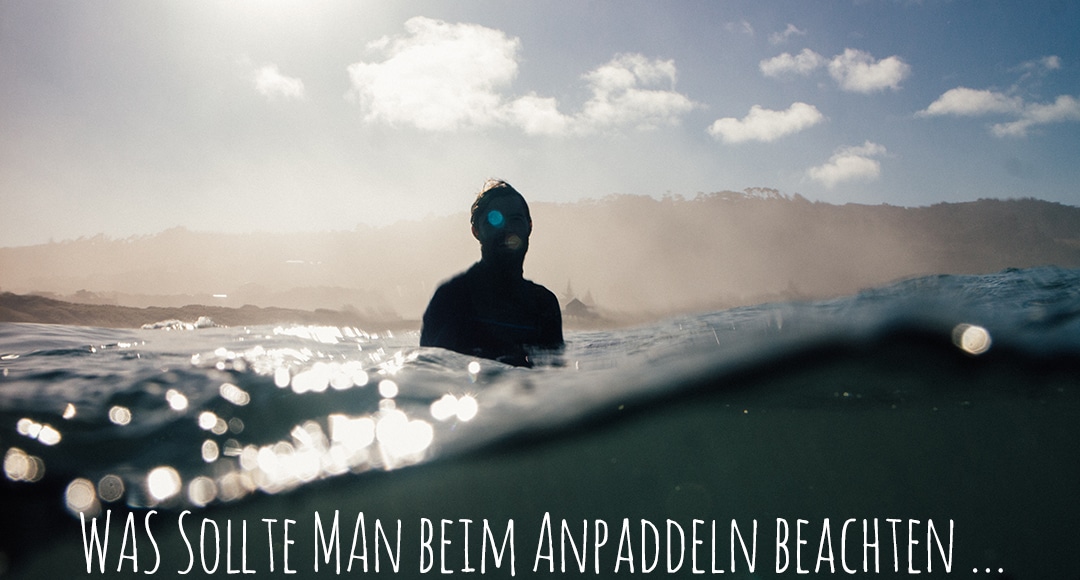
Choosing the right wave increases your chances of catching one and reduces frustration. By making the right choice and only paddling out for waves that are worth it, you conserve energy. Positioning yourself correctly in the line-up ensures you don’t miss any good waves. When a surfer progresses from beginner – i.e. whitewater surfing – to intermediate level to ride unbroken waves, the ocean offers a few clues that you should recognise so that you can start paddling at the right moment.
Positioned right at the peak
Firstly, you should position yourself so that you paddle straight towards the peak (the crest of the wave), where the wave begins to break. This gives the surfer the best possible chance of catching the wave there, and it also allows for the longest ride. It is also important to position yourself at a sufficient distance from the beach so that the wave does not crash over your head.
Paddling with confidence vs. ‘aimless paddling’
Secondly, you should paddle with a positive and determined attitude, positioning yourself in the line-up with confidence. Often, surfers act hesitantly and drift at the peak instead of paddling decisively in the right direction when a good wave approaches, with the aim of securing a good position. The aim here should always be to position yourself, or to paddle over the swell, in search of a better wave that might follow.

How do you decide which wave to paddle for …
A surfer must also decide which wave to paddle out to. There are three basic types of unbroken ‘swells’ that help them make consistent and sound decisions about whether an incoming wave is suitable for paddling out to and riding.
1. Surfers often paddle out for swells (unbroken waves or swells) that could be described as ‘flat’. They look flat but have not yet begun to build up enough for the surfer. If a surfer paddles out and misses such a wave, there are usually three consequences. They waste energy and effort, they are no longer in the right position for the next wave, and the following wave may break over the surfer’s head. All of this makes it somewhat harder to paddle back out to reposition themselves.

2. Some surfers also paddle out for waves that are already about to break, known as ‘pitching waves’. These waves break directly over the surfer as they attempt to stand up. These ‘late take-offs’ usually result in a wipeout right at the moment of take-off, meaning the surfer fails to ride the wave, loses their position at the peak, and wastes energy and effort.

3. Surfers should only paddle out to half-formed waves. These waves allow the surfer to catch the wave cleanly and more easily. A clean entry allows the surfer to build momentum whilst paddling and generate speed, which can then be used for the take-off or the first manoeuvre.

Conclusion
It is important to recognise what kind of wave is approaching before you start paddling towards it. When you see a wave on the horizon, you have to decide whether it’s suitable for paddling towards or not. This early decision gradually leads to catching more and more consistent waves. The more “half-formed” waves you paddle out to and the better you position yourself in the line-up beforehand, the easier it is to catch the green wave.
The following video illustrates the tips above very clearly: