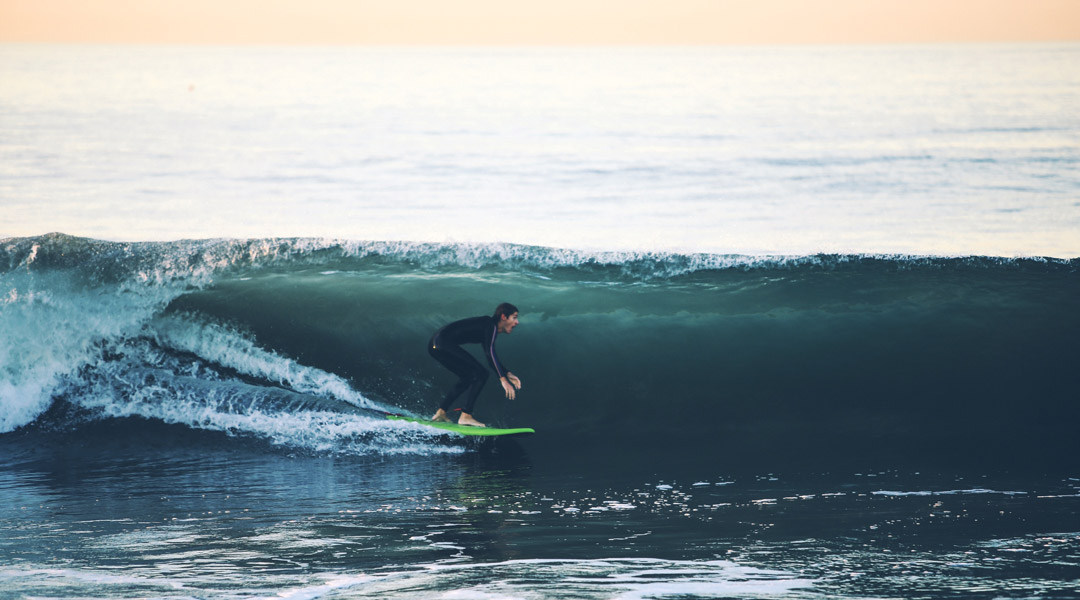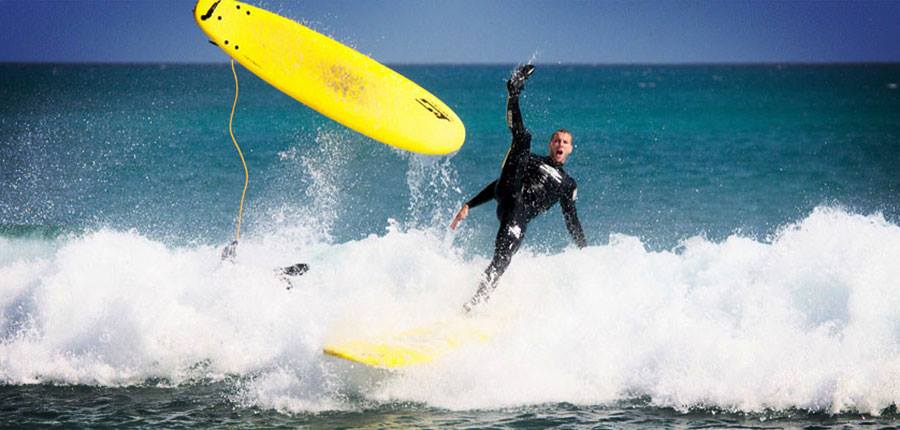

Many of our guests tell us in the surf house:
“I actually come from snowboarding – and somehow surfing feels familiar.“
And that’s where it gets exciting. Because although the two sports seem similar at first glance, they tick in completely different ways.
Surfing and snowboarding compared—two sports. Does one help me with the other?
In this blog, you’ll finally get the answer!
Two sports, two mindsets
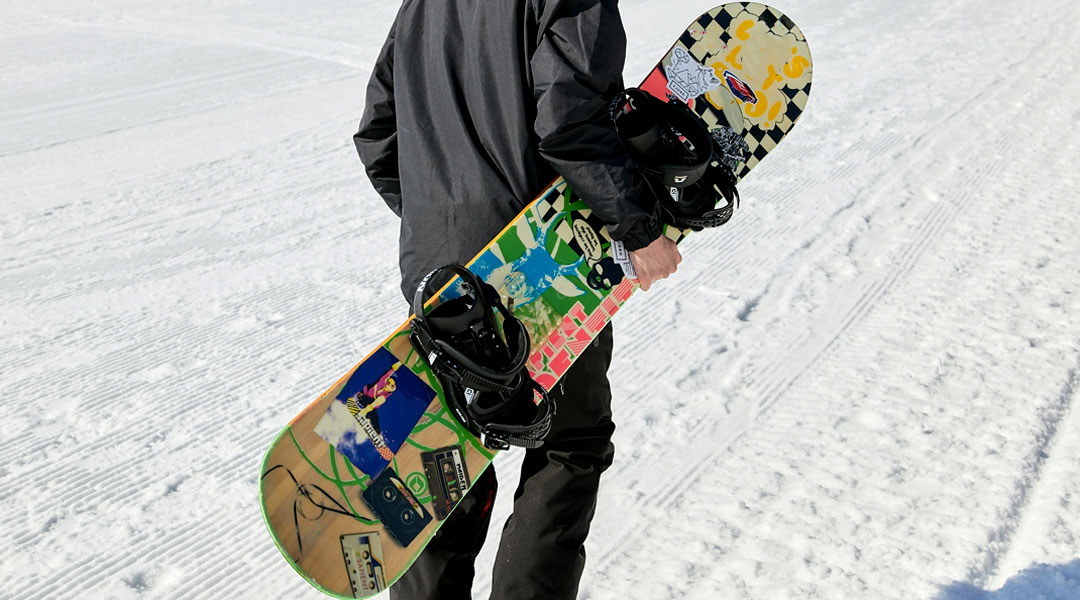
Snowboarding: Control, technique, and clean lines
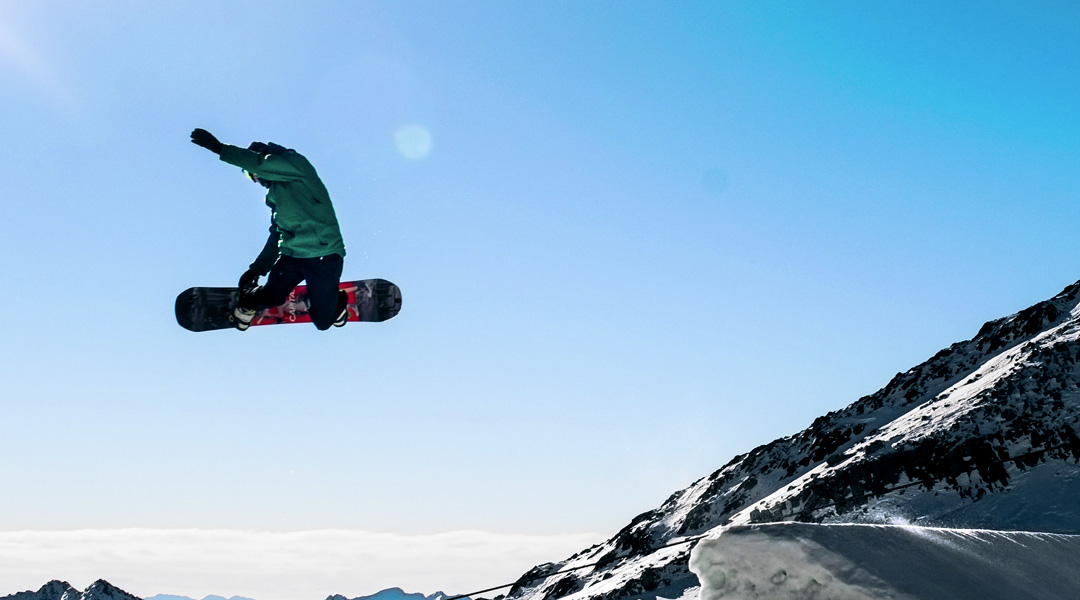
Snowboarding is structured. You get on the lift, ride up, find your line and know pretty much what to expect.
The conditions change – sure – but they are more predictable.
What makes snowboarding special:
-
Clear movement sequences
-
Direct power transmission
-
Focus on technology & control
-
Quick success through repetition
Many snowboarders love exactly that: you can measure your progress, compare it, and train specifically. It feels precise. Predictable. Powerful.
Surfing: Letting go, adapting, and trusting
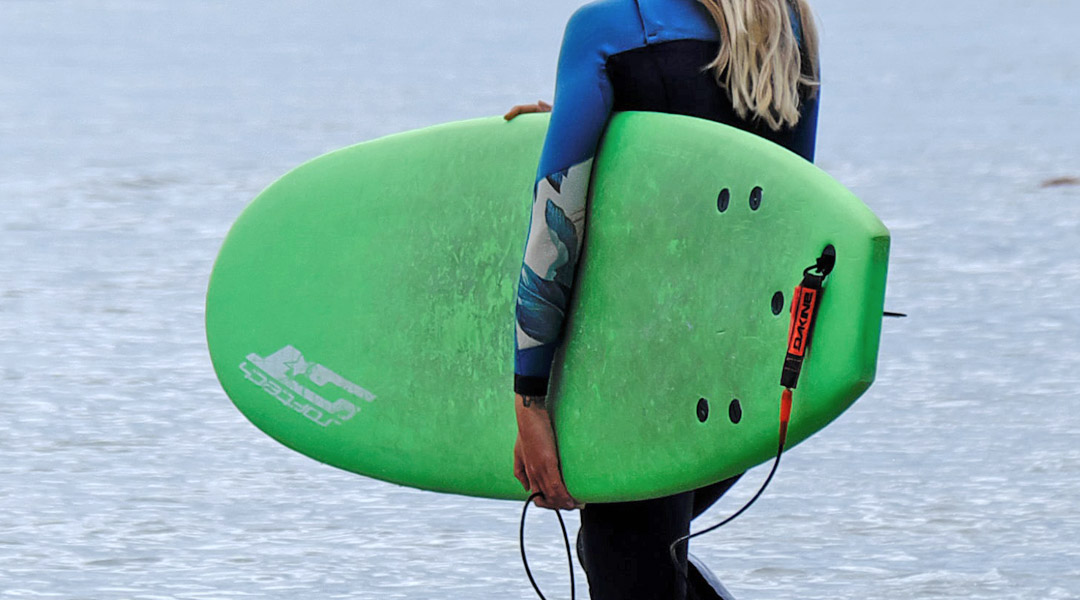
Surfing works differently.
No one is waiting for you here. The wave comes – or it doesn’t. And that’s exactly the attraction.
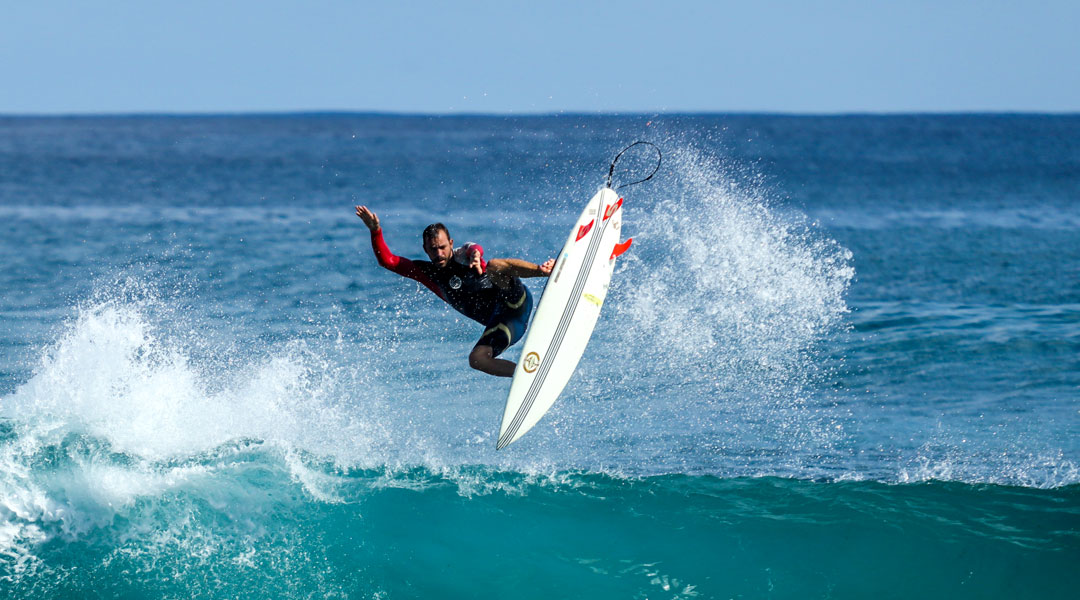
Surfing is one of the few sports where you don’t dominate, but react. You read the wind, swell, tides, and mood in the line-up. Factors that are always changing and can only be predicted to a very limited extent.
What makes surfing special:
-
No two runs are alike
-
Timing beats strength
-
Patience is rewarded
-
Mental strength is crucial
Many snowboarders need a moment to rethink their approach when surfing. Push less. Feel more.
Further differences in detail
Body awareness: Similar – but not the same
Both sports require balance, body tension and coordination.
The difference? In snowboarding, your board is fixed beneath you. In surfing, everything moves.
Surfing trains:
-
deep muscles
-
responsiveness
-
Breathing & calmness under stress
And that’s exactly why many people say after a few days in the water:
“I’ve never been so tired – and so balanced at the same time.”
Fitness
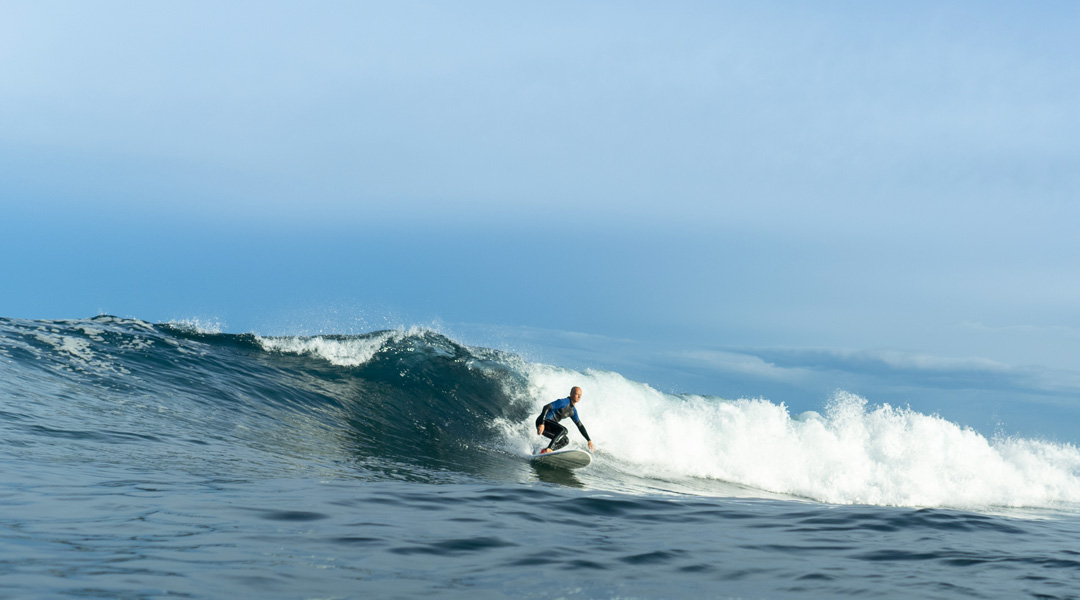
Both sports require the use of the entire body. Snowboarding requires a lot of leg strength, while surfing requires more strength in the back and arms due to paddling. Both sports involve movements that are not practiced in everyday life. We have come up with a great training program for you so that you don’t have to deal with sore muscles during your surfing vacation.
weight distribution
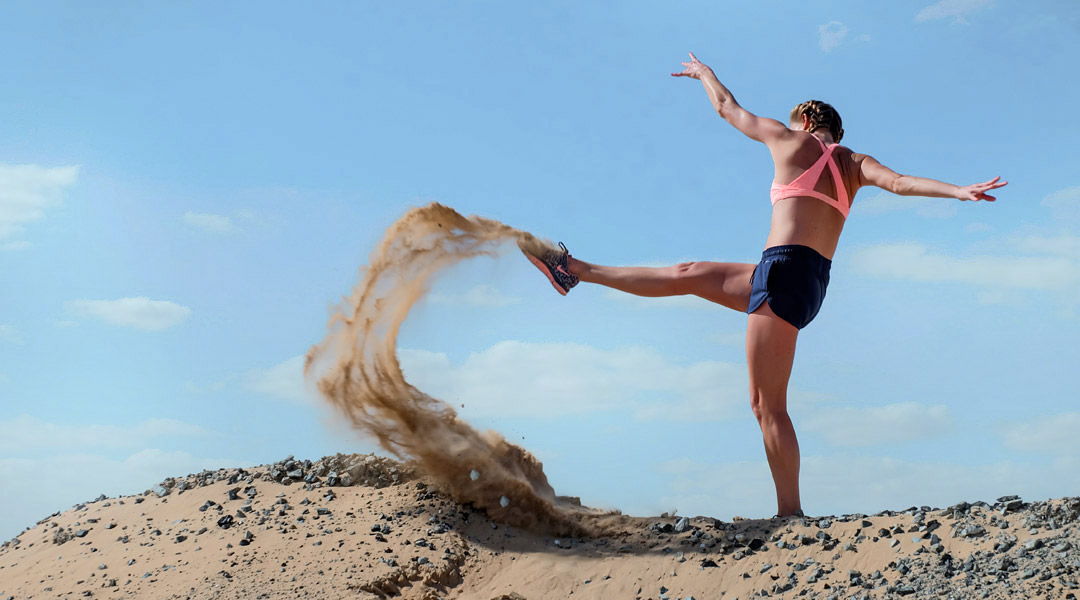
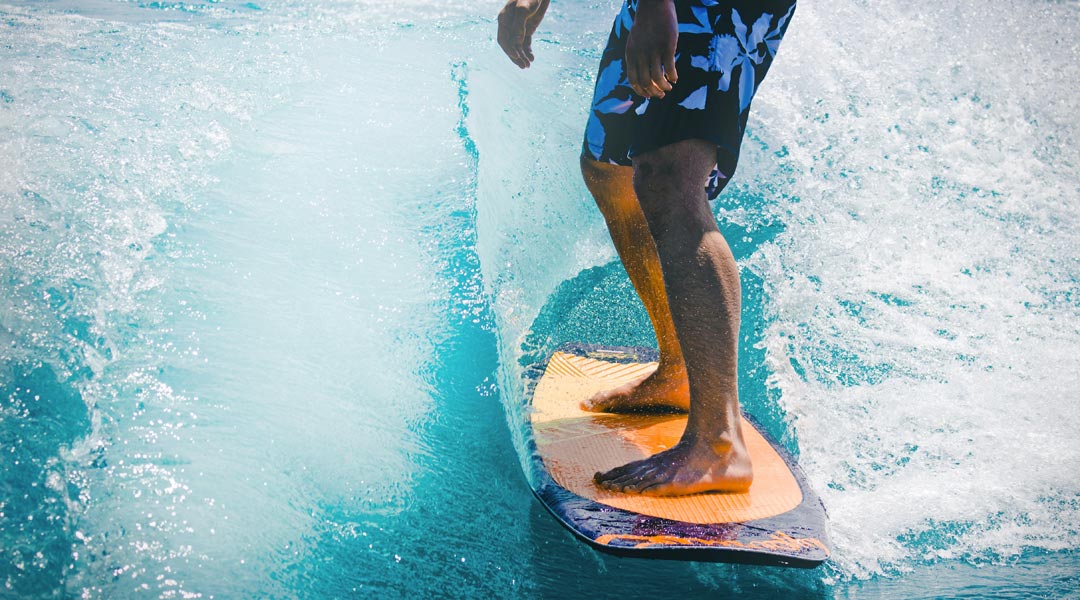
Next, weight distribution is crucial. When learning the basics of snowboarding, you should ideally shift your weight to the center and front half of your board. Your center of gravity should be on your front leg so that you can make turns. Otherwise, weight distribution is shifted depending on the trick. The same applies to surfing. However, once you have stood up on your surfboard in a green wave, your weight is usually shifted to the tail. This allows you to perform maneuvers. If the wave has too little energy, you can shift more weight to your front leg to regain speed.
Material
At first glance, surfing often seems less complicated: a wetsuit, a surfboard, some wax, a leash—and on warm days, even shorts or a bikini are enough. No layering, no gloves, no helmet.
But: less doesn’t automatically mean cheaper.
A good board, a suitable wetsuit, repairs, rental costs – and not forgetting the journey to the sea – can be just as expensive as a winter trip to the mountains.
Snowboarding requires more equipment: jacket, pants, boots, bindings, board, helmet, goggles, thermal layers. Plus ski passes, accommodation, and often a longer journey.
The bottom line is the same for both sports:
Quality, suitable equipment and a good environment are crucial for progress, fun and safety.


Where both sports meet
Upper body & gaze – a crucial commonality
In snowboarding, as in surfing, your body follows your gaze.
Wherever you look, that’s where your board moves.
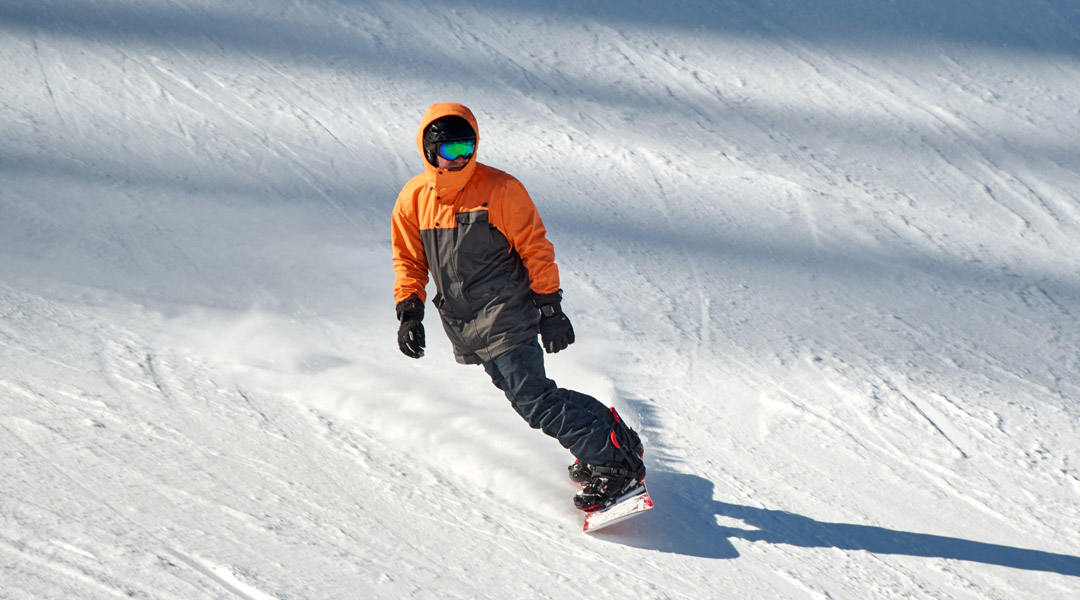
Snowboarders know that clean turns only happen when you look in the direction you’re going and open up your shoulders and upper body. This principle is just as important in surfing—often even more crucial.
If you look down at your board or feet during take-off, you will quickly lose stability. However, if you look forward along the wave, your upper body will automatically straighten up, your posture will become more stable, and you will have greater control.
Snowboarders in particular have a clear advantage here: they have already learned that eye tracking builds trust—and this trust can be directly transferred to surfing.
Community & Lifestyle
Snowboarding and surfing are more than just sports.
They are communities. Subcultures. Places where people understand each other immediately – even without many words.
At FreshSurf Surf Camp, we see it every day:
snowboarders, skaters, climbers—they all find something familiar in surfing.

Extreme sports in nature
Another similarity lies in the nature of the sport. It should not be forgotten that these are extreme sports. They involve high risks, as both take place in the midst of nature. Either in mountainous regions with snow or surfing in the sea. As soon as you start practicing the sport, you are in direct contact with nature. Surfing requires a little more connection. You have to pay close attention to the weather and wave conditions. If you still have difficulty reading the forecast, everything is explained on this page.

5. Does snowboarding help me with surfing, or vice versa?
As you have already learned, there are more differences between the two sports than you might think at first glance.
However, if you already master one of the two sports, this can help you in a number of ways.
1. Your balance will be trained and you will develop a feel for your posture.
2. Your gaze will go directly where it should go.
3. In both sports, you will learn to cope with your surroundings and changing weather conditions.
If you’d like to learn how to surf, FreshSurf is the perfect place for you! Click here to book your next surfing vacation and catch the surfing bug 🙂