
Safety in the water is very important to us. Whether licking ice cream, splashing around in the water or simply lying in the sun: The beach is a wonderful place to relax and have fun. However, the beach is not without its dangers. According to the WHO, 372,000 people drown worldwide every year, many because they overestimate their abilities or disregard the most basic rules. We’ve put together a few tips to help you enjoy your next trip to the beach safely.
Safety on land: watch out for the warning flags!
There are actually flags on every guarded beach that show you what the current conditions are like. Red usually means strong surf and strong currents – so be careful. On some beaches, a red flag also means “no swimming”. Yellow usually means moderate surf and currents. This means that the water may be a little rough, but not too dangerous. Green flags indicate good conditions – i.e. calm water with little current. But always pay attention even with green flags.
Safety on land: check the weather forecast!

Electricity and water are not known to mix well. So check the weather forecast for thunderstorms and avoid the beach if a thunderstorm is approaching. Afterwards, you should wait at least 30 minutes before going back into the water.
Water safety starts even before you enter the water
Watch out for currents!
A lot of water comes onto the beach with the waves. Of course, this water does not stay on the beach. It flows back into the open sea at very specific points. These outward currents are called rip currents. If you do get caught in a rip current despite being careful, it is very important to stay calm . Don’t try to swim against the current back to the beach. Try to swim parallel to the beach until you are out of the current. Only then should you try to swim back towards the beach. If you don’t make it back to the beach, wave your arms and make as much noise as you can so that someone can see you and get help. If you follow our advice on currents, your safety in the water starts here in theory.
WATCH OUT FOR WAVES!
Yes, it sounds logical, but we still can’t say it often enough. Water safety starts with not underestimating the power of waves on the beach. They can cause injuries ranging from simple sprains and dislocated shoulders to spinal injuries. The so-called shorebreak – waves that break directly in front of the beach – is particularly dangerous. So when you’re in the water, you should always keep an eye on the sea. Don’t turn your back on the waves. Another tip: If you are pushed against the bottom of the ocean by the wave, your motto should be “Stay calm!”. If you start kicking towards the surface with all your might and panic, the air you need to get back to the surface safely will be used up in no time. Slowly count the seconds: 21, 22, 23, etc. At some point, your body’s buoyancy will automatically pull you back to the surface.
Wave formation and currents

Safety in the water: You can find more information and tips on the topics of wave formation and currents by clicking here:
Safety in the water
Safety in the water means: you should be able to swim!
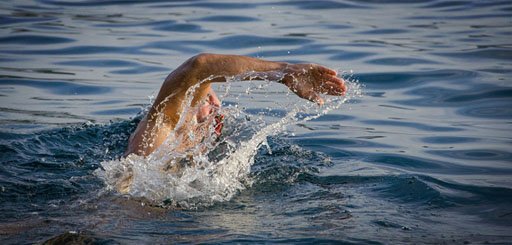
I know, it’s actually logical. If you can’t at least keep your head above water for a while with dog paddles, you shouldn’t go in the water. It’s even better if you can swim properly. Remember that swimming in the sea is different from swimming in a lake or swimming pool. Waves and currents are often a challenge even for good swimmers. In addition, the bottom of the sea is not smooth and straight. There are holes or sudden shallows where one step before everything was flat. If you are out with children or adults who can’t swim, make sure they are careful and keep an eye on them.
Safety in the water: watch out for animals in the water!

There are many different animals in the water. Only a few of them are dangerous to humans. Look out for information signs on the beach that warn you of dangers. Sharks are a recurring theme in some regions such as South Africa, Réunion, Florida, Northern California and Australia. Sharks are most active at sunrise and sunset, which means: stay out of the water. However, this danger is generally quite manageable. According to statistics, an average of six people die each year from shark attacks, 350 people from scorpions, 9,000 people from snake bites and 94,000 people from mosquitoes.
There are no sharks here on Fuerteventura and actually no animals that are really dangerous. Nevertheless, it can still hurt quite a lot if you step on a male peter shark, for example. The male pufferfish has a long stinger on its dorsal fin and likes to bury itself in the sand near the beach. The sting is similar to that of a bee. So if you are allergic to bees, there is a good chance that you will also be allergic to the sting of a male peter. If you are not allergic, it is sufficient to hold the affected body part in hot water.
Respect for your own board and that of other surfers
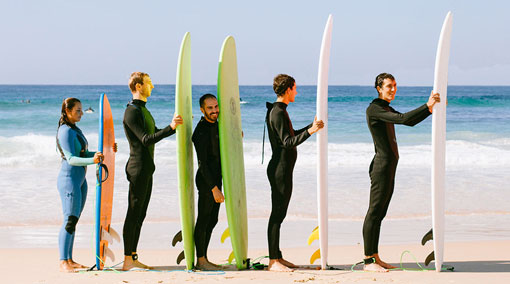
The main reason for injuries is usually your own board or that of other surfers. At many spots around the world, the water is getting more and more crowded and, in addition to surfers, there are also kiters, windsurfers, SUPers, foilers, etc. in the water. Unfortunately, many surfers often don’t know how to behave properly or what they are doing (which is no longer the case for you) and let their boards fly around uncontrollably in the water. Sometimes it’s impossible to hold on to your board during a wash, but you shouldn’t just let go of your board during a duck dive, especially if there are other surfers around you. When it comes to safety in the water, unowned boards often become a dangerous weapon and have caused serious injuries. It doesn’t matter whether you come into contact with the rails, the fins or the leash of another surfer. Anything can cause injury. So take good care of yourself!
Safety in the water means: don’t overestimate your abilities!
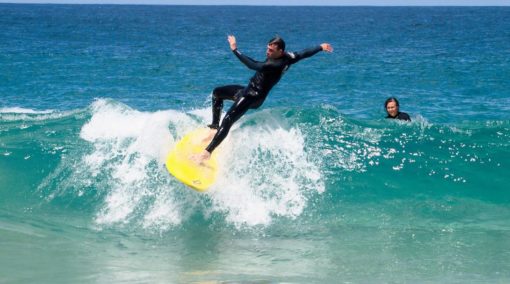
One of the main reasons for really bad injuries and death by drowning is often overestimating your own abilities. Waves generally always look smaller from land than they actually are in the water. Safety in the water here means: if you are not sure whether it is too big for you in the line-up, you should always talk to a surfer who is just coming out of the water or wait until a surfer surfs the wave. Having a surfer in the wave gives you a good indication of the size of the wave. You should also always keep an eye on your own power balance. If you notice that you are slowly running out of power, then listen to your body and don’t back off. Always remember that your leash could also break on the way back and then it is often a long way to swim back to land. Currents sometimes make the way back even more complicated and you should always have a reserve of power in your tank.
Safety in the water means: stay sober!

Alcohol impairs your judgment. So if you’ve already had a few cocktails, stay away from the water – whether it’s a swimming pool, lake or sea. Alcohol also has a strong dehydrating effect, so you dehydrate faster. This increases the risk of heat stroke or heat exhaustion. So drink plenty of water and stay out of the blazing sun – not to mention the water. When you’re sober again, a dip in the sea is twice as much fun.
And last but not least – protect your skin!
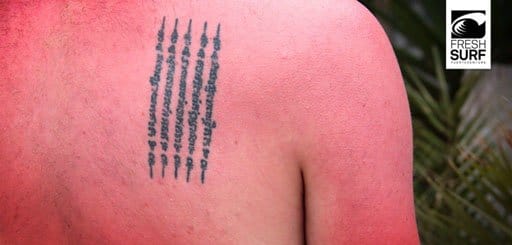
Protect your skin from the sun with sun cream and clothing and stay mainly in the shade at lunchtime. Even one bad sunburn can double your risk of skin cancer. And remember – you can also get sunburnt eyes. So protect your eyes with sunglasses.