Stuck on dry land at home again and longing for surfing? No problem! There are now lots of artificial wave parks all over Europe where you can train without travelling far. We explain what an artificial wave is and how it’s created. You also get all the locations at a glance so you can get started straight away!
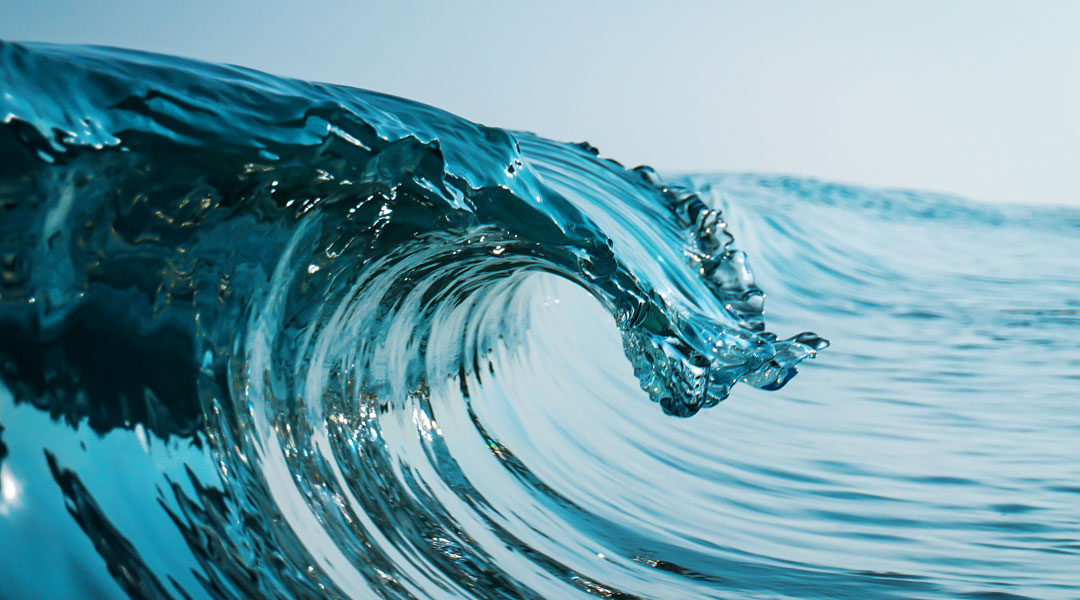
How are artificial waves created?
Every surfers in the world always wishes for ideal wave conditions – which are almost impossible to find in a natural setting. But some geniuses found a way to create such places. Artificial waves make it possible! They’re created in specially built facilities that set water in motion in a targeted way. Depending on the system, they produce either standing waves in a continuous flow channel – ideal for surfing “on the spot” – or rolling, ocean-like waves in large lagoons that roll in and break like in the sea. The pool shape and floor can be used to create different surf zones: lefts/rights, A-frames and steeper or softer sections.
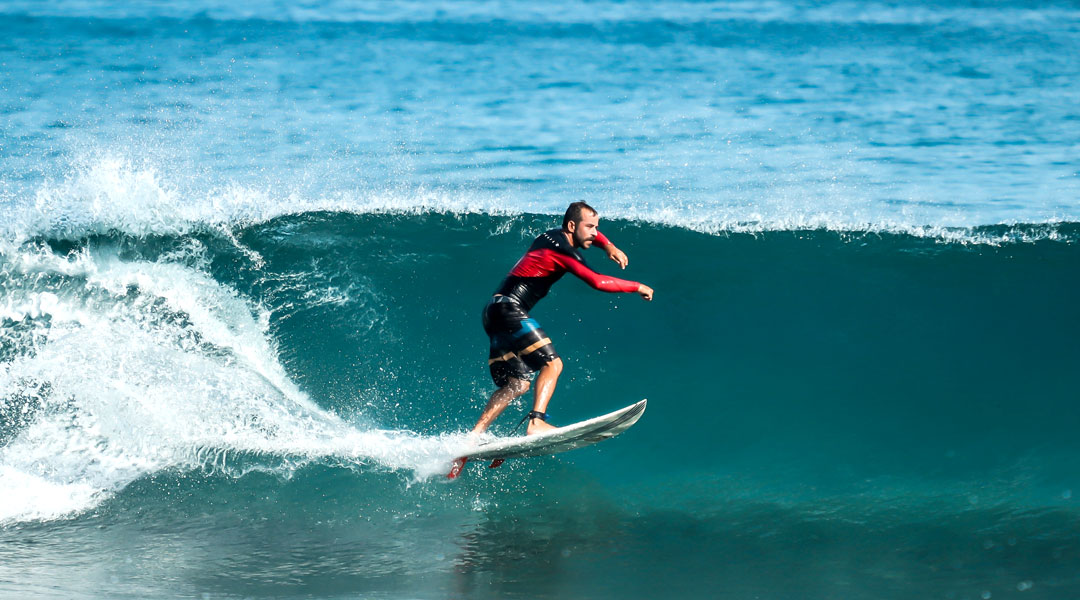
What level are artificial waves suitable for?
They offer ideal conditions for beginners through to pros. In a safe and very predictable environment, manoeuvres and tricks . Or you can first get used to the surfboard and get familiar with your balance. A team is always on site to support you. At first you practise standing and step onto the surfboard from the side. Once you’ve got your balance and more Safety , you can move on to the longer waves.
Top 7 artificial waves in Europe
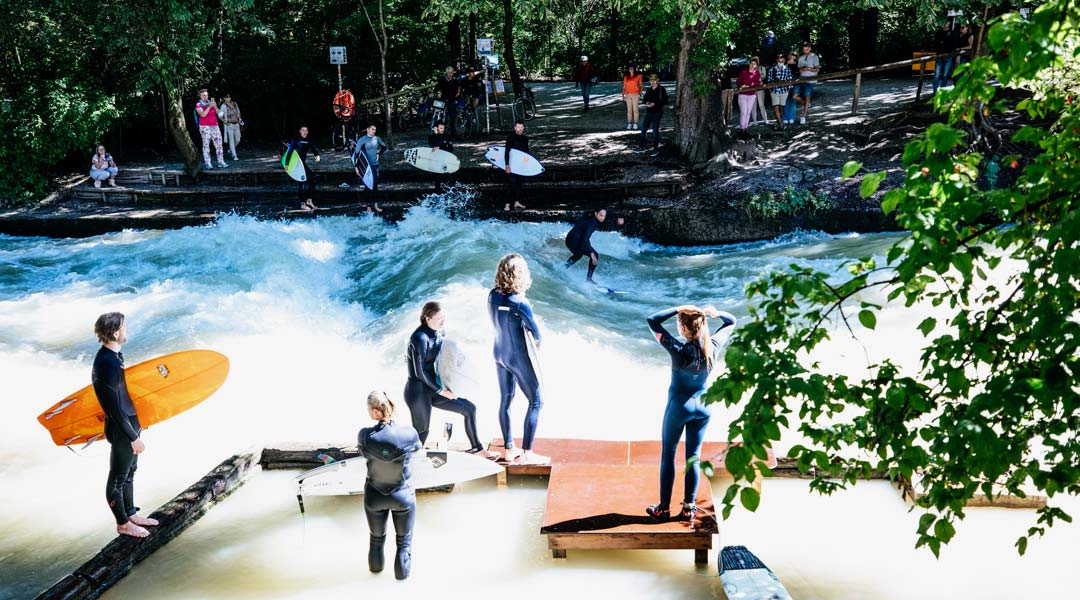
In general, a distinction is made between indoor wave facilities (often standing waves in covered pools) and outdoor waves (large open-air pools or artificial lakes/rivers). A well-known example of a river wave is the Eisbach wave in Munich, which has been used by experienced surfers for around 40 years.
Here are the top 7 artificial wave parks a Europe – ideal for landlocked surfers:
Alaïa Bay (Sion, CH)
The Wave Bristol (UK)
Lost Shore Surf Resort (Edinburgh, Scotland)
O₂ SURFTOWN MUC (Munich / Hallbergmoos, Germany)
Wellenwerk Berlin (Germany)
Surf Langenfeld (North Rhine-Westphalia, Germany)
CityWave Vienna (Austria)
1. Alaïa Bay (Sion, CH) – outdoor lagoon (Wavegarden Cove); alpine setting, sessions for all levels.
2. The Wave (Bristol, UK) – outdoor lagoon (Wavegarden Cove).
3. Lost Shore Surf Resort (Edinburgh, UK) – outdoor lagoon (Wavegarden Cove); large resort feel with accommodation & food.
4. O₂ SURFTOWN MUC (Munich, DE) – outdoor lagoon; surfable all year round.
5. Wellenwerk Berlin (DE) – indoor standing citywave; surfable all year round.
6. Surf Langenfeld (NRW, DE) – outdoor standing UNIT Surf Pool wave on a lake; “Endless Wave” in the open air.
7. citywave Vienna (AT) – outdoor standing citywave; regular contests & events.
Cost
Prices for artificial waves vary depending on the facility, level and length of the session. They’re usually between €30 and €120 per surf session. Even if you’ve already gained experience in the sea, many wave parks will initially class you as a beginners – simply because surfing on an artificial wave feels a little different.
Don’t worry about it – with a beginner course you’ll quickly get used to the new feeling and have fun straight away! Coaches and equipment are included in the price in most cases.
Many wave parks also offer multi-day surf courses, camps or accommodation. And breaks are taken care of too: there are usually cosy cafés, restaurants or viewing points.
More on this topic: Alaia Bay – surf paradise in the Swiss Alps