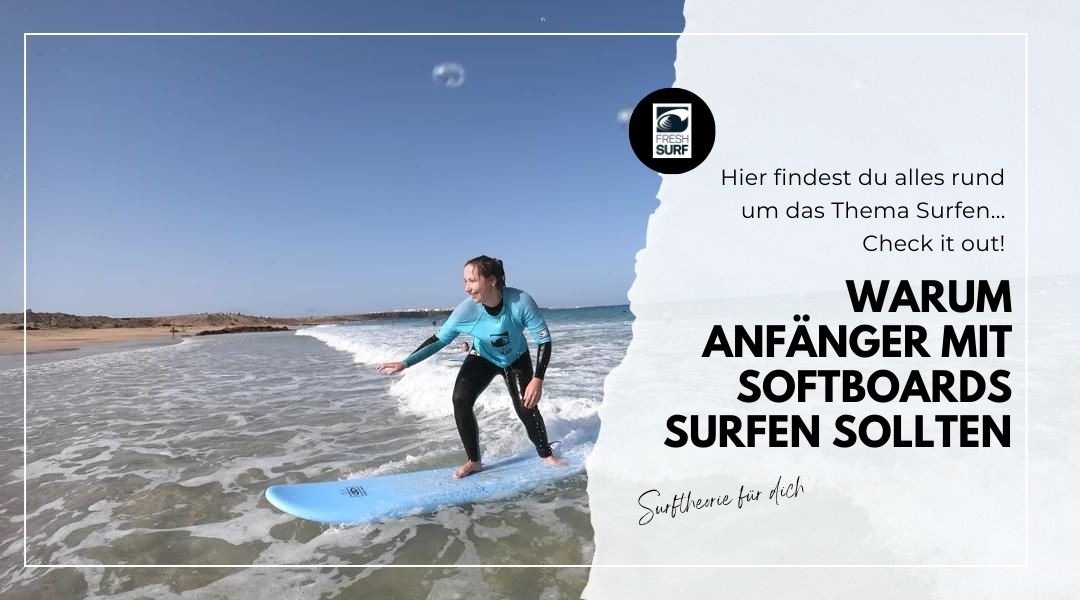

When you should switch from a softboard to a hardboard – tips, board recommendations and much more can be found here!

Do you surf regularly and wonder whether it’s time to take the next step?
If your softboard is starting to feel too sluggish, you can master take-offs and try out your first turns, then you’re probably ready to switch to a hardboard.
In this article, you’ll find out when and why it’s worth making the switch, what skills you should have and how to make the transition smart.
Why softboards at all?
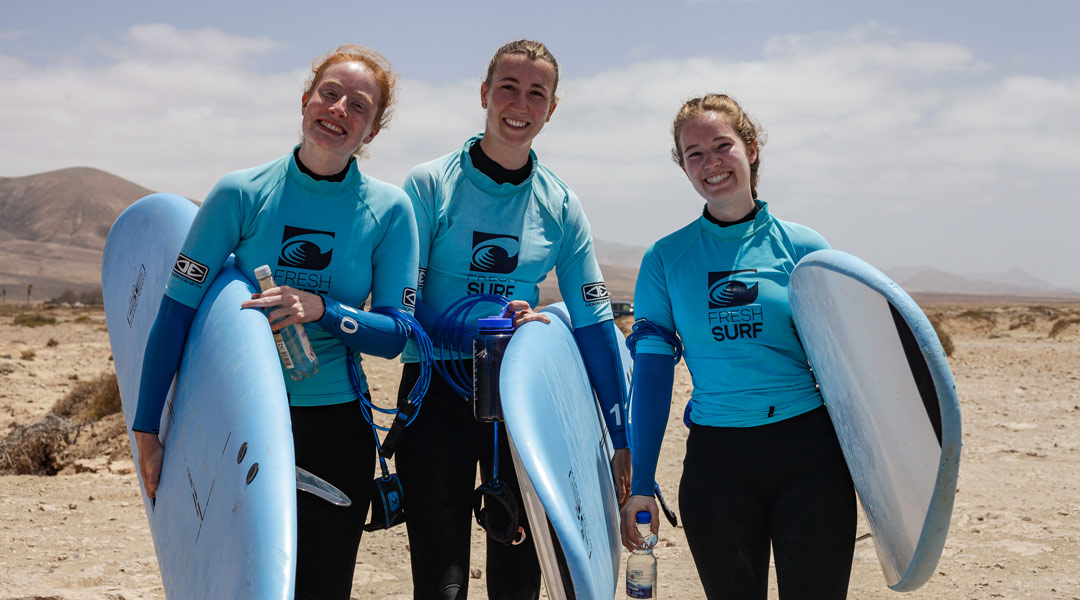
Softboards, also known as “foamies”, are the ideal introduction to surfing. They are soft, stable and forgiving of many mistakes. Their foam core protects you in the event of a fall, offers high buoyancy and helps you to catch waves easily. So it’s no wonder that almost everyone makes their first attempts at surfing with a softboard.
The next step: When should you switch from a softboard to a hardboard?
The right time to make the switch is when you:
- regularly paddle into waves and stand up safely,
- control the board,
- try out your first turns or small maneuvers,
- and your softboard slows you down.
If you feel that you are no longer making progress with your foamie or that it is leaving you “stuck” in turns, it is time for a more agile setup.
What you should be able to do before you switch
Before you grab your first hardboard, you should:
- master the take-off safely,
- stand stable on the board,
- be able to perform simple turns,
- surf regularly to develop strength and technique,
- be able to adapt to changing conditions.
Good body awareness, timing and paddling technique are key, as hardboards are less forgiving and require more precision.
Hardboard: What you gain and what you should look out for
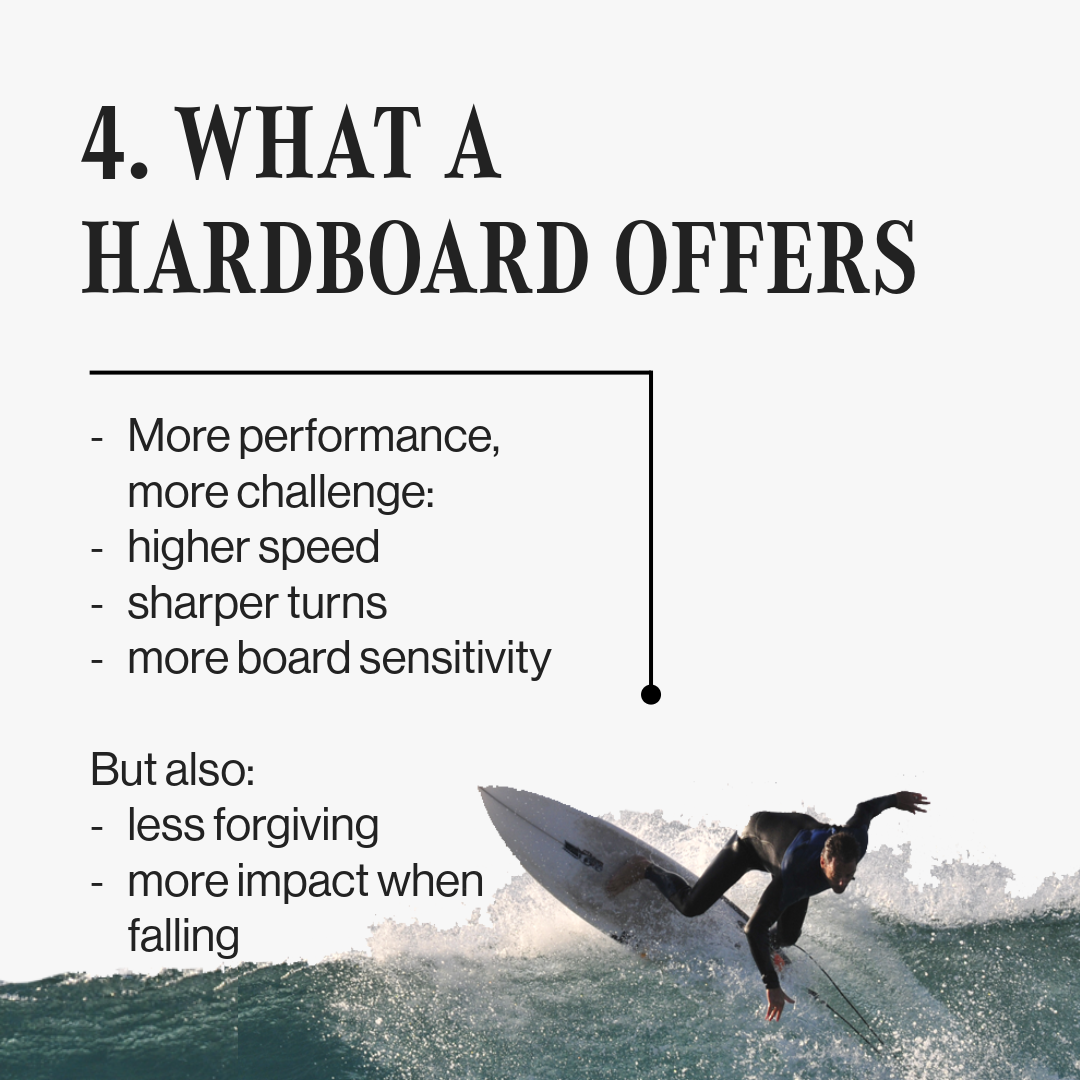
A hardboard offers you:
- more speed at shaft start,
- better control for more precise turns,
- more responsiveness for dynamic surfing.
However, they are less stable, harder in the event of a fall and more susceptible to dents and breakages. You should therefore remain patient and take time to get used to them.
Smooth transition: tips for your “soft-to-hard” phase
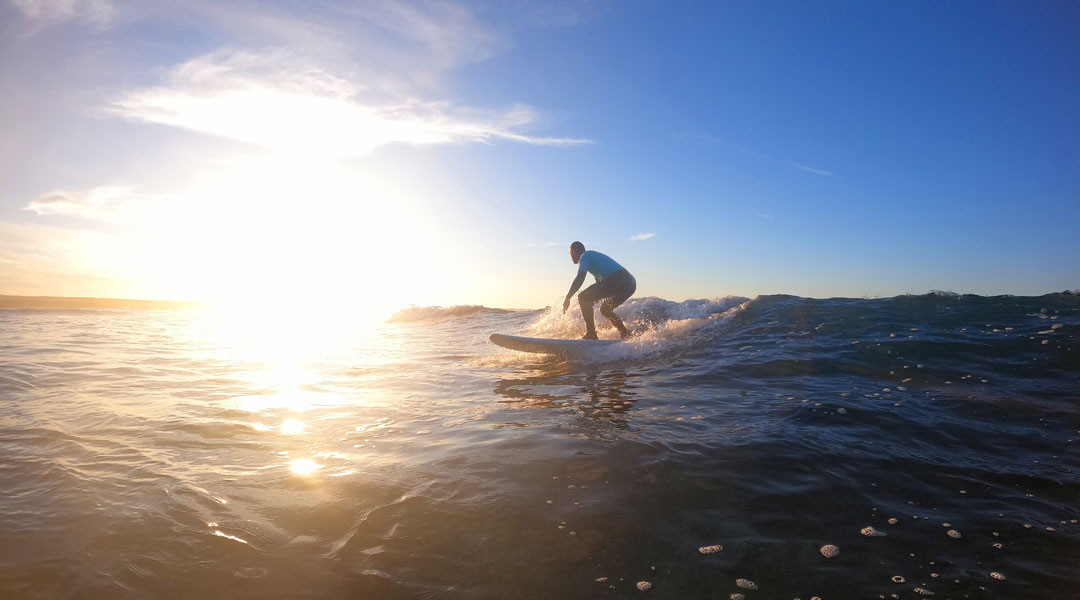
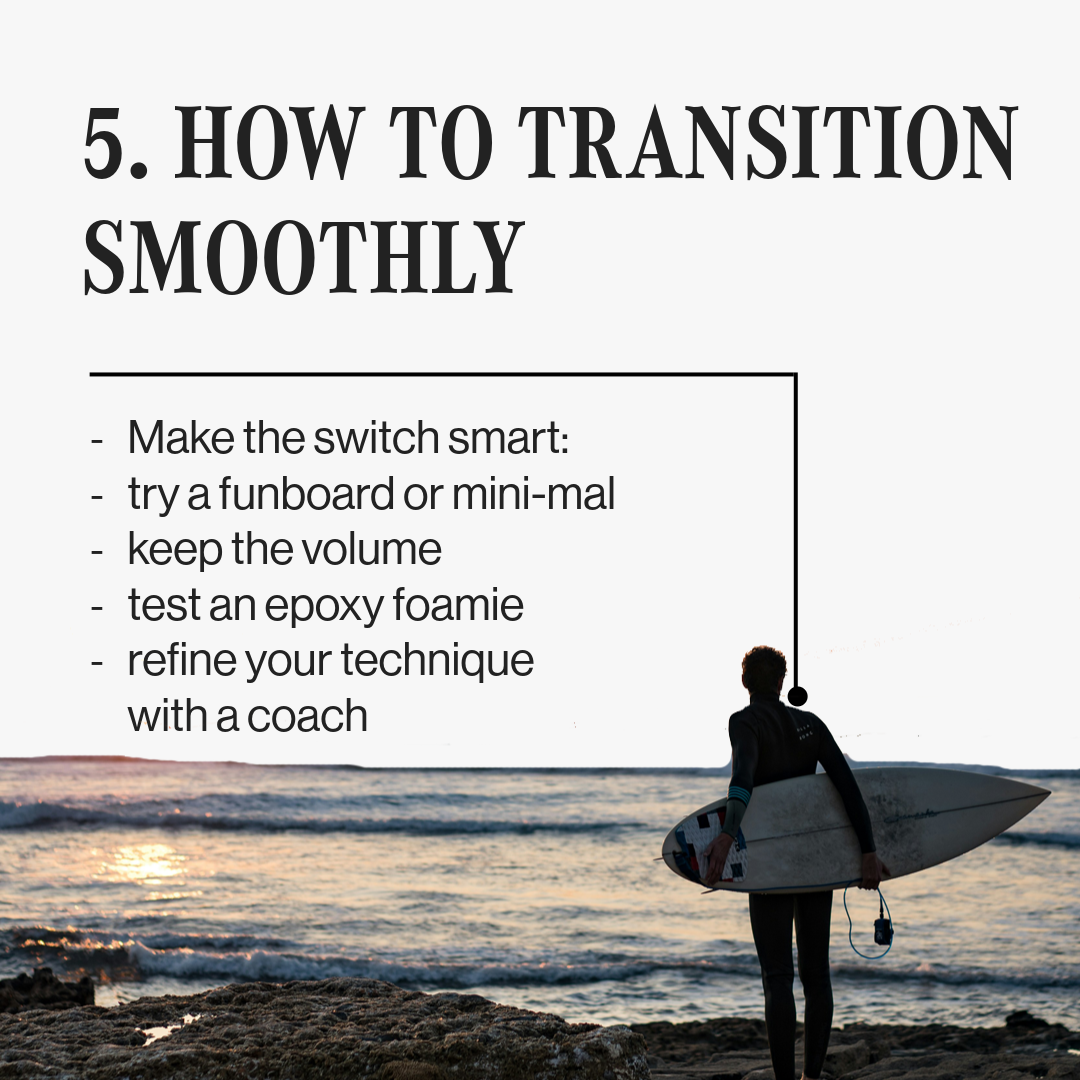
- Keep the same length & volume: For example, start with a funboard or mini-Malibu (7-8 feet) that offers similar buoyancy to your softboard.
- Testing hybrid boards: An epoxy softboard is harder than a classic foamie, but not yet as sensitive as a pure hardboard – the ideal intermediate step.
- Get professional support: A surf coach will help you to develop your technique and board feel – for example at a surf camp.

Board recommendations for the changeover
They are particularly suitable for getting started with hardboard surfing:
- Mini-Malibus (7′-8′): stable, but more agile than softboards
- Funboards: wider and shorter, ideal for the transition
- Fish boards: shorter, more maneuverable, but still forgiving
It is important that the board suits your body weight, level and surf spot.

Switching from a softboard to a hardboard – what should you have taken with you?
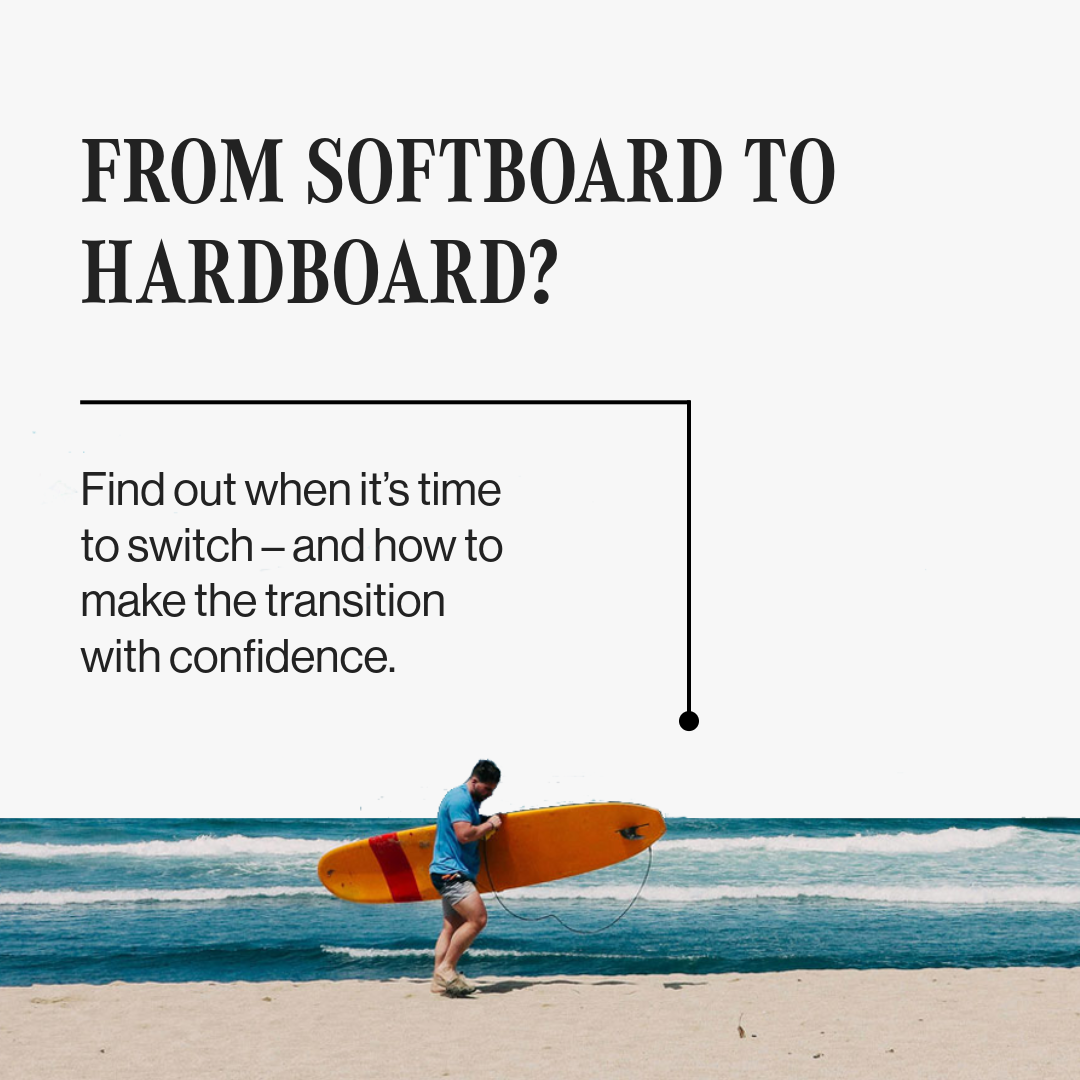
Switching from a softboard to a hardboard is an important milestone in your surfing journey – and is often associated with a very special feeling: the desire to develop further. Once you feel confident in white water, have mastered the take-off and have managed your first turns, the switch can open up new opportunities.
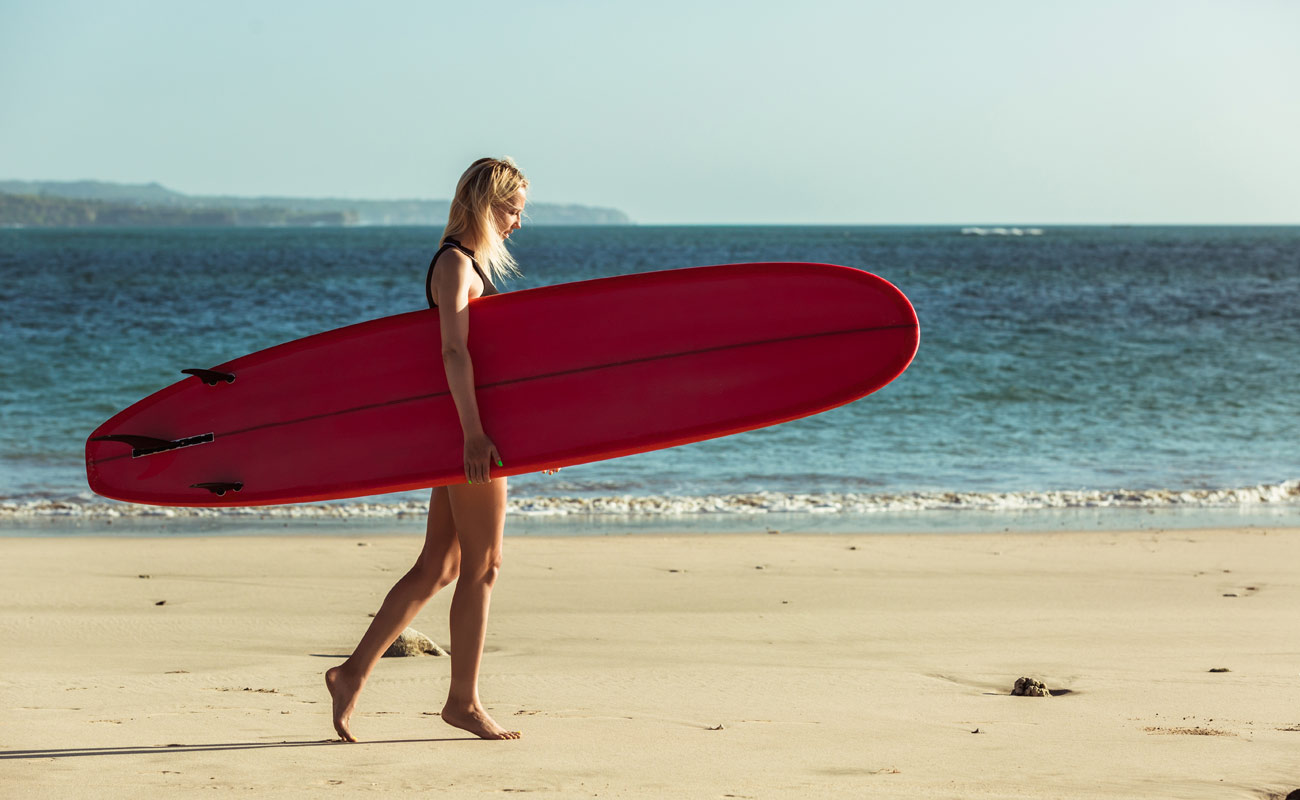
Hardboards offer more speed, control and a more direct feel – but also demand more technique, balance and timing.
It’s not the type of board that matters, but your ability and your confidence in yourself. With the right preparation and a supportive environment, you can master this step safely.
If you need more information, have a look at the KANOA website.
Have the courage – and grow beyond yourself. We will be happy to accompany you on this journey.



Conclusion: Ready for the next level?
If you surf regularly, stand up confidently, improve your turns and feel that your softboard is slowing you down, then now is the right time to switch from a softboard to a hardboard. Join us at the FreshSurf surf camp on Fuerteventura and take the next step! Our experienced coaches will guide you through the transition from softboard to hardboard, give you individual feedback and show you how to get to the next level safely and with fun.