Are you stuck at home again and longing to ride the waves? No problem! There are now numerous artificial wave parks throughout Europe where you can train without having to travel far. We explain what an artificial wave is and how it is created. You’ll also get all the locations at a glance so you can get started right away!
How are artificial waves created?
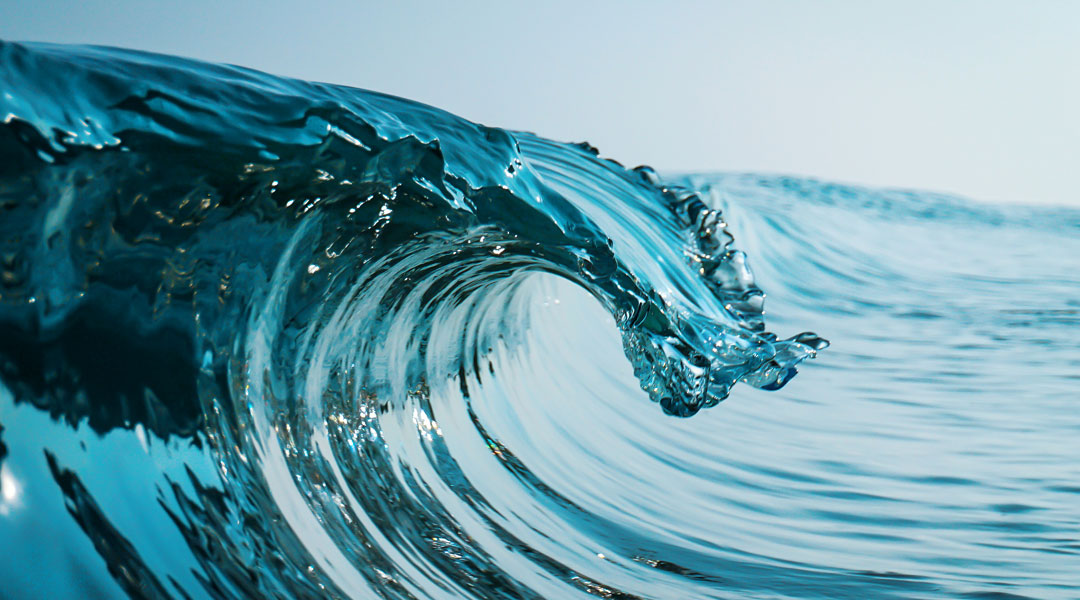
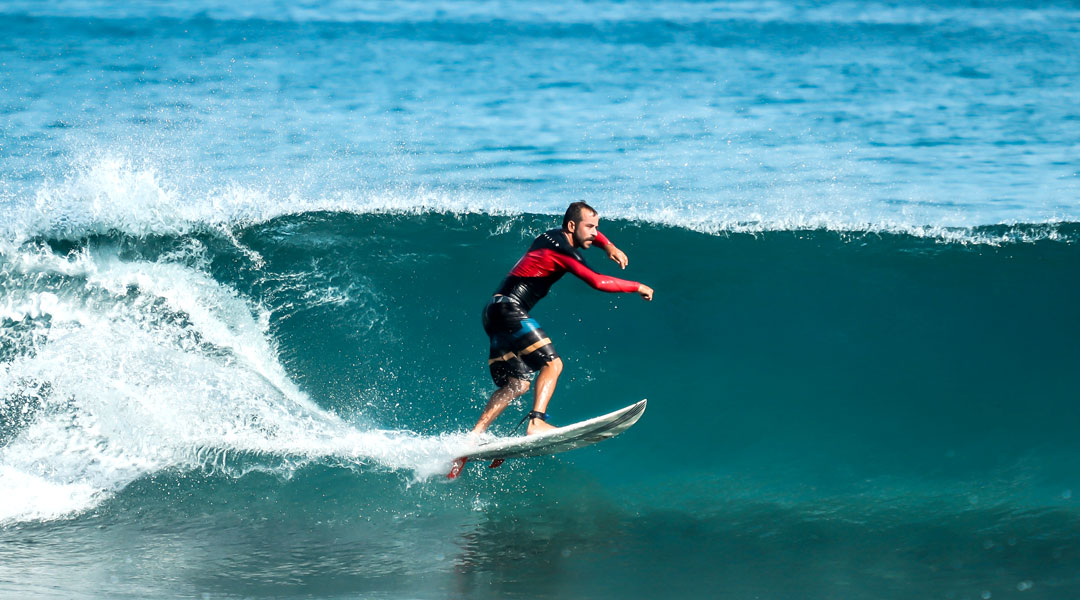
Every surfer in the world always wants ideal wave conditions—something that is impossible to find in a natural environment. However, some geniuses have found a way to create such places. Artificial waves make it possible! They are created in specially designed facilities that set water in motion in a targeted manner. Depending on the system, they either generate standing waves in a continuous flow channel—ideal for continuous surfing “in the spot”—or running, ocean-like waves in large lagoons that roll in and break like in the sea. Different surfing zones can be created depending on the shape of the pool and the substrate: lefts/rights, A-frames, and steeper or softer sections.
For which level are artificial waves suitable?
They offer the ideal conditions for beginners to professionals. In a safe and very predictable environment, you can practice maneuvers and tricks. Or you can first familiarize yourself with the surfboard and your balance. There is always a team on site to assist you. Initially, you will practice standing and stepping onto the surfboard from the side. Once you have gained balance and confidence, you can move on to the longer waves.
Top 7 artificial waves in Europe
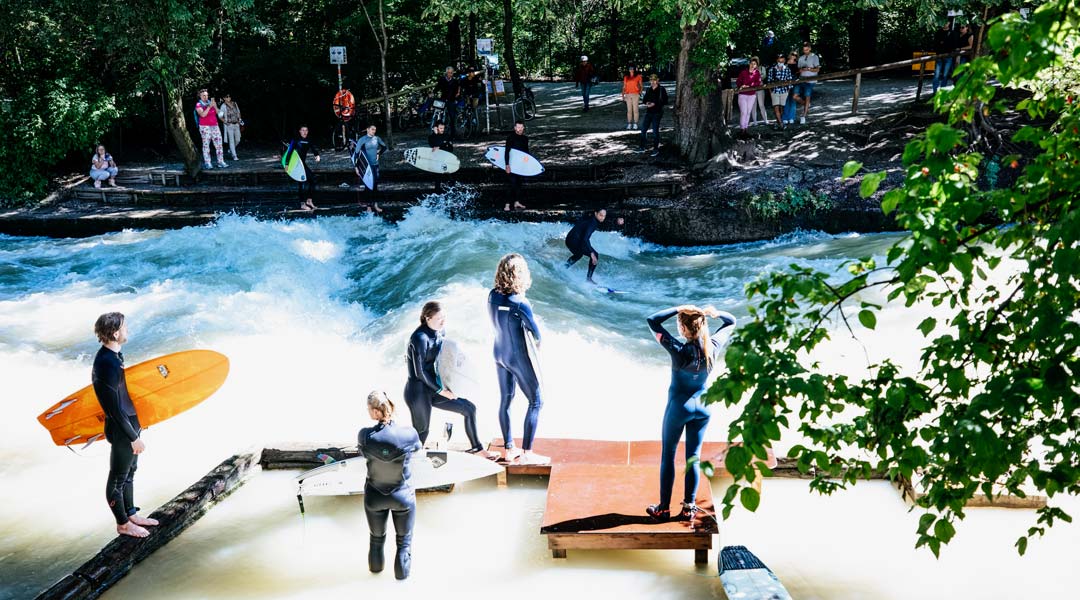
A distinction is generally made between indoor wave facilities (often standing waves in covered pools) and outdoor waves (large outdoor pools or artificial lakes/rivers). A well-known example of a river wave is the Eisbach wave in Munich, which has been used by experienced surfers for around 40 years.
Here are the top 7 artificial wave parks in Europe – ideal for landlocked surfers:
Alaïa Bay (Sion, Switzerland)
The Wave Bristol (UK)
Lost Shore Surf Resort (Edinburgh, Scotland)
O₂ SURFTOWN MUC (Munich, Germany)
Wellenwerk Berlin (Germany)
Surf Langenfeld (Nordrhein-Westfalen, Germany)
CityWave Vienna (Austria)
1. Alaïa Bay (Sion, Switzerland) – Outdoor lagoon (Wavegarden Cove); alpine setting, sessions for all levels.
2. The Wave (Bristol, UK) – Outdoor lagoon (Wavegarden Cove).
3. Lost Shore Surf Resort (Edinburgh, UK) – Outdoor lagoon (Wavegarden Cove); large resort with accommodation and dining facilities.
4. O₂ SURFTOWN MUC (Munich, Germany) – Outdoor lagoon; surfable all year round.
5. Wellenwerk Berlin (Germany) – Indoor standing city wave; surfable all year round.
6. Surf Langenfeld (NRW, DE) – Outdoor UNIT Surf Pool wave in the lake; outdoor “Endless Wave.”
7. citywave Vienna (AT) – Outdoor standing citywave; regular contests and events.
Costs
The prices for artificial waves vary depending on the facility, level, and duration of the session. They usually range between €30 and €120 per surfing session. Even if you already have experience in the ocean, you will initially be classified as a beginner in many wave parks—simply because surfing on an artificial wave feels a little different.
Don’t worry about it—with a beginner’s course, you can quickly get used to the new feeling and start having fun right away! In most cases, coaches and equipment are already included in the price.
Many wave parks also offer surfing courses lasting several days, affiliated camps, or accommodation. And there are plenty of places to take a break: most have cozy cafés, restaurants, or viewing points.